For Dental Practices, Chair Time Is Everything
Your Chairs Are Your Revenue
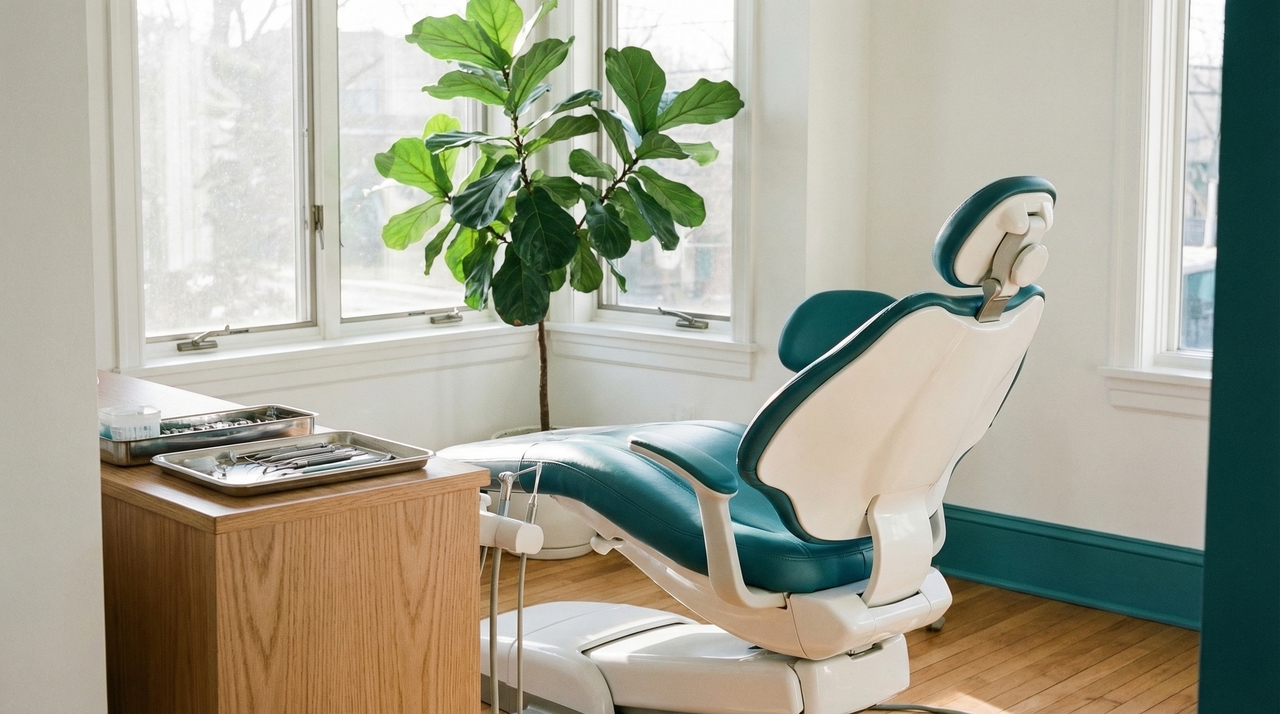
A dental chair is not furniture. It is the single most expensive, most productive asset in the practice. Average revenue per dental chair is $231,721 per year, and top-performing practices push that number above $300,000. Every minute a chair sits empty during business hours, the practice is paying overhead on an asset that is producing nothing.
This is the fundamental economics of dentistry: you are selling time in a chair. The calendar is not an administrative tool. It is the practice’s most important financial instrument — a real-time ledger of revenue being captured or lost.
The calendar is the source of truth across dozens of professions, but few feel this as acutely as dental. A law firm can bill retroactively. A consultant can shift a deliverable by a week. A dentist cannot go back and fill yesterday’s empty 2:00 PM slot.
The Numbers Behind Every Empty Slot
The target for production per hour is roughly $600 for a dentist and $150 or more for a hygienist. A typical dentist should be hitting $3,500 to $5,000 in daily production. Those numbers only work if the chairs are occupied.
The industry benchmark for chair utilization is 75% to 85%, with top practices aiming for 85% to 90%. That sounds like a narrow band, but the financial difference between 75% and 85% utilization on a chair generating $231,721 a year is roughly $30,000 in additional annual revenue — per chair. For a four-chair practice, that is $120,000 left on the table just by running ten percentage points below optimal.
And those numbers assume the patients who do show up are generating expected revenue. When you layer in the reality of no-shows — which cost $200 or more per missed appointment across healthcare — the losses compound quickly.
Cancellations Hit Dental Harder Than Most
The global average patient no-show rate is 23.5%. Dental practices tend to run somewhat lower than that overall average, but even a 10% to 15% no-show and cancellation rate is devastating when you are operating on fixed chair capacity.
Here is why dental gets hit disproportionately: appointment types vary wildly in length and revenue. A hygiene cleaning is 45 to 60 minutes. A crown prep is two hours. An extraction might be 30 minutes. When a two-hour crown prep cancels same-day, you cannot just slide in two cleanings — the instruments are prepped, the lab work is staged, and you probably do not have two hygiene patients waiting in the wings.
The timing of the cancellation makes all the difference. A cancellation with two or more days’ notice gives the front desk a realistic shot at calling the short-notice list and filling the chair. A same-day cancellation on a two-hour crown prep is almost certainly a dead slot — the team has already prepped instruments, and there’s no matching procedure waiting in the wings.
This is why the practices with the strongest production numbers all maintain active short-notice lists and track fill rates by cancellation window. Knowing your overall cancellation rate is useful. Knowing that same-day cancellations almost never get filled — and that they cluster on specific days or with specific providers — is actionable.
Efficient Scheduling Is a 15-25% Production Increase
This is the number that should get every practice owner’s attention: practices that overhaul their scheduling approach consistently report daily production increases of 15% to 25%. Not a new piece of equipment. Not an associate hire. Not an expanded service menu. Just better use of the calendar.
What does “efficient scheduling” actually mean in a dental context? It means a few specific things:
Block scheduling by procedure type
Grouping similar procedures into dedicated time blocks reduces chair turnover, keeps instrument setups consistent, and lets the team build rhythm. A morning of back-to-back crown preps is more productive than alternating crowns with cleanings with extractions.
Matching appointment length to actual procedure time
Most practices use standardized time blocks that do not reflect reality. If your average composite filling takes 35 minutes but you are booking 60-minute slots, you are giving away 25 minutes of chair time per filling. Multiply that across a day and you have lost an entire appointment slot.
Strategic use of hygiene chairs
Hygiene is the backbone of the recall system and the primary feeder for restorative treatment. At $150-plus per hour in production, a hygiene chair running at 85% utilization generates meaningful revenue on its own — and every hygiene visit is a chance to diagnose and schedule higher-value work.
Building a short-notice list
The practices that maintain fill rates above 60% on cancellations are not lucky. They maintain curated lists of patients who want earlier appointments and can come on short notice. This turns a cancellation from a dead slot into a recovered one.
None of these strategies require new technology. They require the calendar to be treated as the operational control center that it is.
The Metrics That Actually Matter
Most dental practice management software tracks production, collections, and patient counts. Those are lagging indicators. By the time you see a bad month in the numbers, you have already lived through four weeks of suboptimal scheduling.
The leading indicators all live on the calendar:
Chair utilization rate
What percentage of available chair hours are actually filled with patient appointments? Track this daily, not monthly.
Production per hour by provider
Is each dentist and hygienist hitting their hourly targets? If a provider is consistently below $600 per hour, the issue is almost always scheduling — too many low-production appointments, too much dead time between patients, or too many cancellations on their specific schedule.
Cancellation and no-show rate by day, provider, and appointment type
Averages hide problems. Maybe your overall no-show rate is 12%, but Mondays run at 20% and Thursdays at 5%. Maybe one hygienist has twice the cancellation rate of another because their patients are booked too far out. You cannot fix what you cannot see at a granular level.
Same-day fill rate
When a cancellation does happen, how often are you filling it? This is the single best measure of scheduling agility.
Revenue per patient per year
The benchmark is $600 to $800. If you are below that, the calendar will show you why — patients are not returning for recommended treatment, recall intervals are stretching, or high-value procedures are being lost to cancellations and never rescheduled.
Treating Your Schedule Like a Financial Statement
If you manage a dental practice and want to start treating the calendar as the financial instrument it is, Chat with Cal — Carly’s free calendar chatbot — can help you pull the signal out of your scheduling data.
Try asking:
- “How many patients did we see per chair today?”
- “What’s our cancellation rate this month compared to last?”
- “How many hygiene appointments were scheduled vs. completed this week?”
- “Which day had the most same-day cancellations?”
The difference between a practice generating $231,000 per chair and one generating $300,000 per chair is rarely about clinical skill. It is about how well the calendar is managed. The data is already there. You just have to look at it.
Ready to automate your busywork?
Carly schedules, researches, and briefs you—so you can focus on what matters.
Get Carly Today →Or try our Free Group Scheduling Tool