Can AI Reply to Customer Emails Automatically? (2026)
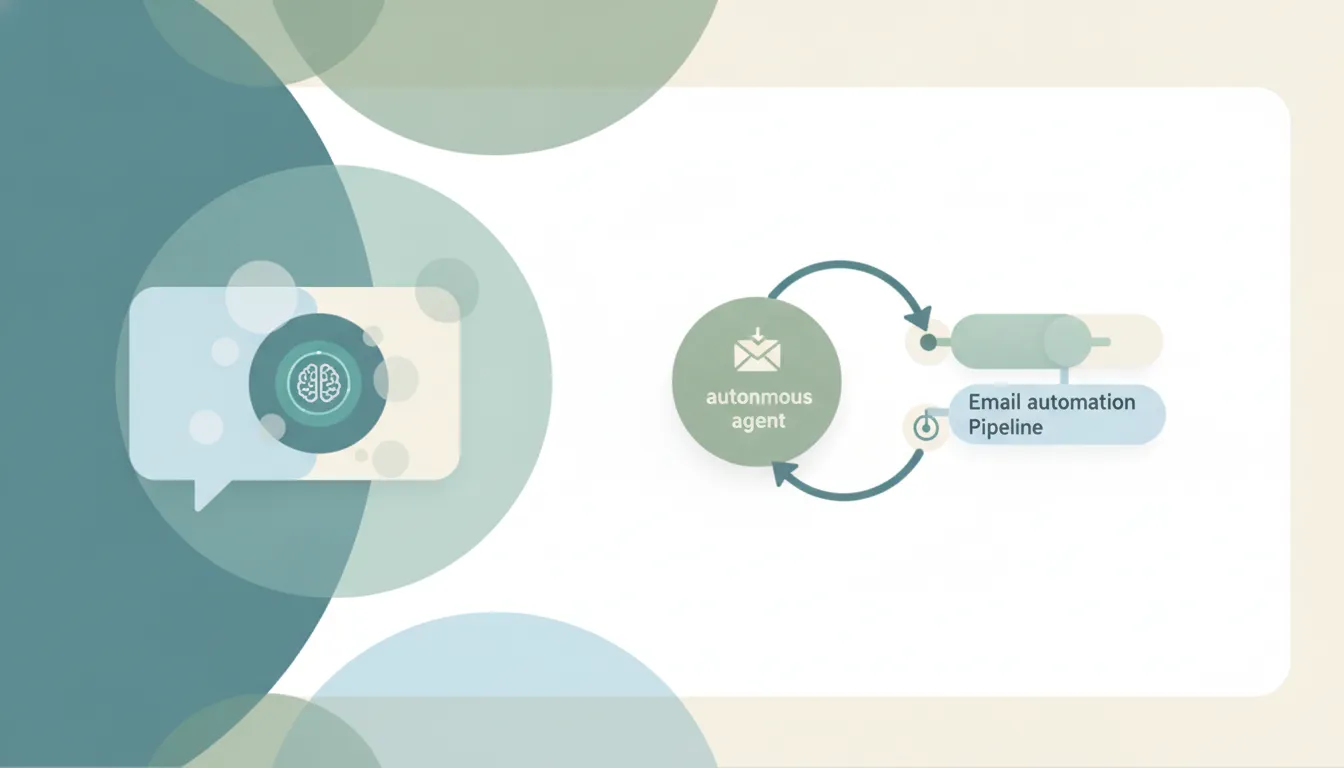
Yes — AI can reply to customer emails automatically, and Carly is built to do it: it reads the incoming message, drafts a reply in your voice, and sends it on its own, while escalating anything it’s unsure about to a human. The catch worth understanding up front is how much you let it send unsupervised. Done well, AI clears the repetitive 80% of your inbox and hands you only the messages that genuinely need judgment. Done carelessly, it sends confident wrong answers. The difference is guardrails.
Here’s what automatic replies actually look like, how to set the guardrails, and the honest tradeoffs.
What AI can and can’t reply to
AI handles some customer emails beautifully and shouldn’t touch others. A useful split:
- Great fits: order status, “how do I reset my password,” business hours, appointment confirmations, “did you get my payment,” routine scheduling, FAQ-style questions, and acknowledgment (“we got your message, here’s what happens next”). These are high-volume, low-ambiguity, and answerable from data the AI can reach.
- Escalate to a human: refunds and billing disputes, angry or emotional messages, anything legal or contractual, edge cases the AI hasn’t seen, and anyone explicitly asking for a person. A good agent recognizes these and routes them rather than guessing.
The whole game is making the AI confident about the first bucket and humble about the second.
How Carly replies to customer emails
You build a Carly agent in the dashboard, give it its own email address (or connect your existing support inbox on Gmail or Outlook), and write its instructions in plain English: your tone, your policies, what it’s allowed to answer, and what it must escalate. Then it runs on triggers in the cloud. When a customer email arrives:
- Carly reads the message and pulls context — the order in Shopify, the contact in your CRM, the invoice in Stripe, or a knowledge doc you’ve pointed it at.
- It drafts a reply in your voice, grounded in that real data rather than a generic template.
- It applies your guardrails. If the question is inside its lane and it’s confident, it sends. If it’s a refund request, an angry tone, or something outside its instructions, it flags the thread for you with a suggested draft and a note on why it paused.
- It logs the interaction to your CRM or help desk so the history is intact.
Because each agent has memory, it remembers a customer’s earlier thread and doesn’t make them repeat themselves. See AI email agent that updates CRM for the logging side.
The guardrails that keep it safe
This is the honest part: automatic replies are only as good as the limits you put on them. A few settings worth using from day one:
- Start in review mode. Have Carly draft-and-hold for the first week so you can see its judgment before you let it send unsupervised. Widen its autonomy once you trust it on a category.
- Whitelist what it can answer. Tell it exactly which topics it may send on its own; everything else escalates. It’s better to auto-answer five things perfectly than fifty things approximately.
- Always escalate money and emotion. Refunds, disputes, cancellations, and any message that reads as upset should route to a person by default.
- Give it real sources. An AI reply grounded in the actual order, invoice, or policy doc is trustworthy; one improvising from general knowledge is where wrong answers come from.
Used this way, Carly handles the volume and you keep the judgment calls. The point isn’t to remove humans; it’s to stop humans typing the same three answers forty times a day.
The alternatives, honestly
Other tools reply to customer email, with different strengths:
- Intercom Fin is a leading AI support agent that answers customer questions from your help center and resolves a large share of tickets autonomously. If you run a full support operation inside Intercom, it’s excellent — priced and built for support teams, and it lives in Intercom’s ecosystem rather than acting as a general assistant across your whole inbox and calendar. See Intercom integration.
- Gmail smart reply / Gemini suggests short canned responses and can draft longer ones, but it doesn’t send on its own or run on triggers — you’re still choosing and sending each reply.
- Zendesk / Freshdesk AI offer autoreply and agent-assist features inside their help desks; strong if you already run tickets there, less so if your customer email just lives in a shared inbox.
- Generic assistants (Claude, ChatGPT) draft replies well but don’t send automatically or watch your inbox. See can Claude reply to emails.
The split: dedicated support AI (Fin, Zendesk) is deep in one help-desk ecosystem; Carly is a general executive assistant that replies to customer email and follows up on leads, schedules, and keeps your CRM current — from the same inbox, on any stack.
Where Carly fits best
Carly is the right pick for solopreneurs, small teams, agencies, and service businesses who get a steady stream of routine customer email and want most of it answered automatically without buying a full help-desk platform. It sends real replies grounded in your data, escalates the ones that need you, and logs everything. AI agents start at $35/month, and non-AI steps run free.
If you run a high-volume support team already living in a help desk, a dedicated tool like Fin or Zendesk AI may fit better. If you want one assistant handling customer replies alongside the rest of your inbox, that’s Carly. More options in best AI email agents and best AI email assistants.
Frequently Asked Questions
Can AI reply to customer emails automatically?
Yes. Carly reads the incoming message, drafts a reply in your voice grounded in your real data, and sends it on its own for questions inside the lane you define, while escalating edge cases to a human. It runs on triggers in the cloud, so it works without your laptop open.
Will it send wrong answers?
Not if you set guardrails. Start Carly in review mode, whitelist the exact topics it may answer, always escalate refunds and upset customers, and ground it in real sources like orders and invoices. The safe pattern is auto-answering a few things perfectly and routing the rest.
Can I have it draft replies without sending?
Yes. You can run Carly in draft-and-hold mode so it prepares replies for your review before it sends anything, then widen its autonomy per category once you trust its judgment.
Does it work with my existing support inbox?
Yes. Carly connects to your Gmail or Outlook inbox, or you can give the agent its own email address. It can pull context from Shopify, Stripe, your CRM, or a knowledge doc.
How is this different from Intercom Fin or Zendesk AI?
Fin and Zendesk AI are dedicated support agents built inside their own help desks. Carly is a general AI executive assistant that replies to customer email and also follows up on leads, schedules meetings, and updates your CRM from the same inbox, on whatever stack you use.
More: Can Claude reply to emails · Best AI email agents · Best AI email assistants · AI email agent that updates CRM · Best AI personal assistants
Ready to automate your busywork?
Carly schedules, researches, and briefs you—so you can focus on what matters.
See what people say
"Before Carly, I relied on a Calendly link, but the whole process felt impersonal and not very professional. Carly changed that by handling all the back-and-forth, so I'm no longer stuck in endless email threads trying to line up schedules.
Now Carly reaches out to candidates, shares my real-time availability, lets them pick a slot, then sends a Zoom link and drops it straight into my calendar. She sends reminders to both of us before each call, which has significantly reduced no-shows and last-minute confusion.
On top of scheduling, Carly acts like a full executive assistant, sending me my schedule the night before so I can prepare for each call. It reminds me of the old x.ai assistant, but Carly is noticeably smarter, faster, and better suited to my healthcare recruitment business."