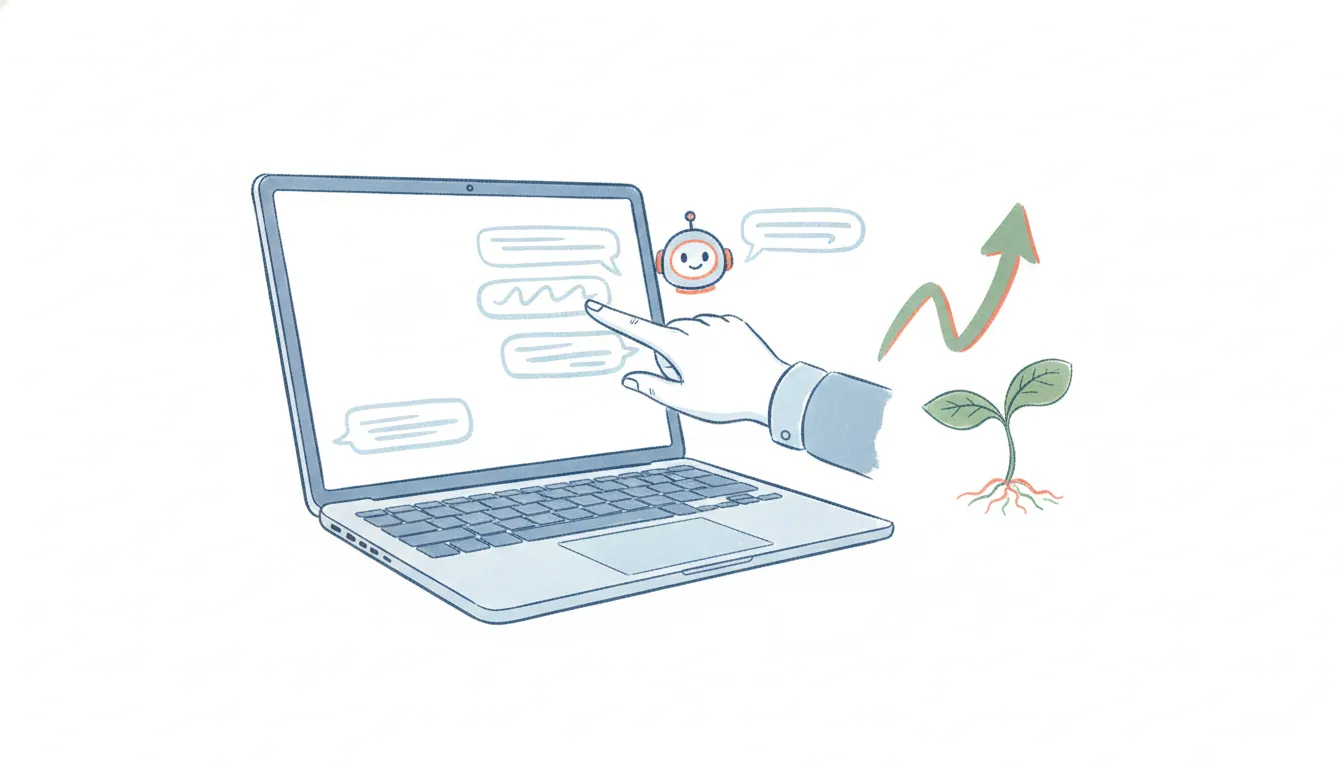
Mio Emerges From Stealth With €1.9M to Put an AI Coworker Inside Slack
Mio (mio.xyz), a Paris-based startup, emerged from stealth today with a €1.9 million (roughly $2.2 million) pre-seed round co-led by Fabric.vc and Topology.vc. The product is a Slack-native “AI coworker”: you tag it in any channel and it does the work, under the tagline “Just @mio, it’s handled.” The company says more than 100 companies, from early startups to Series B scale-ups, already use it daily, and that early-access customers save an average of 8.2 hours a week.
Founded in 2025 by repeat entrepreneur Arthaud Mesnard — who returned to founding after a stint in the web3 space with Geometry — Mio plans to use the round to expand its engineering team and grow its customer base across Europe and the United States.
What Mio does
Instead of being another chatbot employees have to remember to open, Mio lives where teams already talk. You @mention it in Slack and it handles the request or runs on a schedule you set. Per its site, that covers meeting prep (pulling together CRM notes, emails, and recent threads before a call), daily briefs and weekly recaps, message triage and priority flagging, project status updates pulled across tools, drafting investor updates, and even bug fixes with pull requests opened for review.
The pitch is that Mio “learns your team” over time — building an understanding of how a company operates rather than answering each question cold. It acts across what the company calls 3,000+ integrations, naming Notion, Linear, GitHub, Google Workspace, Gmail, HubSpot, Asana, Sentry, PostHog, Supabase, Stripe, Airtable, Zoom, and Calendly among them. Mio hasn’t detailed publicly whether that catalog is all native or brokered through an aggregation layer, so treat the figure as a claimed 3,000+ until the mechanism is spelled out. On security, the company points to GDPR alignment and CASA Tier 2 certification, lists SOC 2 Type 2 as in progress, and says it runs on Google Cloud infrastructure in Europe and does not train on customer data.
Worth clearing up: this Mio is unrelated to m.io, the Slack-to-Teams messaging interoperability company, and to the Mio AI phone-call assistant — a crowded name, three different products.
The bet behind the round
Mio’s framing is the same one drawing capital across the assistant category: the winning AI product isn’t a smarter standalone chatbot but a teammate grounded in a company’s actual context, able to execute across the tools people already use rather than just make suggestions. Fabric.vc and Topology.vc co-leading a pre-seed on that thesis is a wager that “AI colleague you can delegate to” beats “AI you have to prompt.” It’s the same shift powering the broader move toward AI agents that take action instead of only generating text — with Mio’s specific twist being that the surface is Slack, and the moat is accumulated company context.
What to know before you try it
For anyone weighing Mio off this news, a few limits are worth holding in view:
- Slack-only surface. Mio lives inside Slack. If your team runs on email or Microsoft Teams, or you want an assistant that reaches you outside a Slack workspace, it can’t meet you there today.
- Pricing is undisclosed. The product is “free to start” with a roughly 30-second install, but there are no published paid tiers, so the cost of real usage at scale isn’t yet knowable.
- Very early company. This is a pre-seed startup emerging from stealth. The daily-active and time-saved numbers are self-reported, SOC 2 Type 2 is still in progress, and the track record is measured in months.
If your work doesn’t live in Slack, the same “delegate it and it’s handled” idea shows up email- and text-first with Carly, which you reach over email or text and which runs across Google and Microsoft 365 rather than a single chat surface. We line up the options — Mio included — in the best Mio alternatives.
Ready to automate your busywork?
Carly schedules, researches, and briefs you—so you can focus on what matters.
See what people say
"Before Carly, I relied on a Calendly link, but the whole process felt impersonal and not very professional. Carly changed that by handling all the back-and-forth, so I'm no longer stuck in endless email threads trying to line up schedules.
Now Carly reaches out to candidates, shares my real-time availability, lets them pick a slot, then sends a Zoom link and drops it straight into my calendar. She sends reminders to both of us before each call, which has significantly reduced no-shows and last-minute confusion.
On top of scheduling, Carly acts like a full executive assistant, sending me my schedule the night before so I can prepare for each call. It reminds me of the old x.ai assistant, but Carly is noticeably smarter, faster, and better suited to my healthcare recruitment business."