
What Is Otto by Workato? Pricing, Apps and Limits
Otto by Workato went self-serve on August 26, 2026: an AI teammate in Slack, SMS and the web, billed in credits. What it does, what it costs, who it fits.
Page 10 of 138
Otto by Workato went self-serve on August 26, 2026: an AI teammate in Slack, SMS and the web, billed in credits. What it does, what it costs, who it fits.

OpenAI is pulling its models from Cursor after SpaceX bought it, Sony and Warner sued Anthropic's founders by name, and Debian voted on AI contributions.
A judge called the Pentagon's Anthropic blacklist unlawful retaliation, Visa shipped a security agent that merges its own patches, and the NSA wants in.

Apollo is free, $49, $79, or $119 per seat monthly billed annually. Credits and mailbox limits shape the tier far more than the per-seat price does.
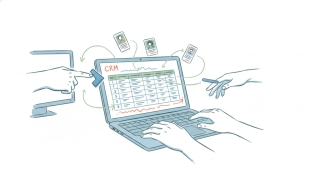
Attio is free, $35, or $79 per user monthly billed annually. Seat caps and the two-part credit system decide the tier more than the per-user price does.
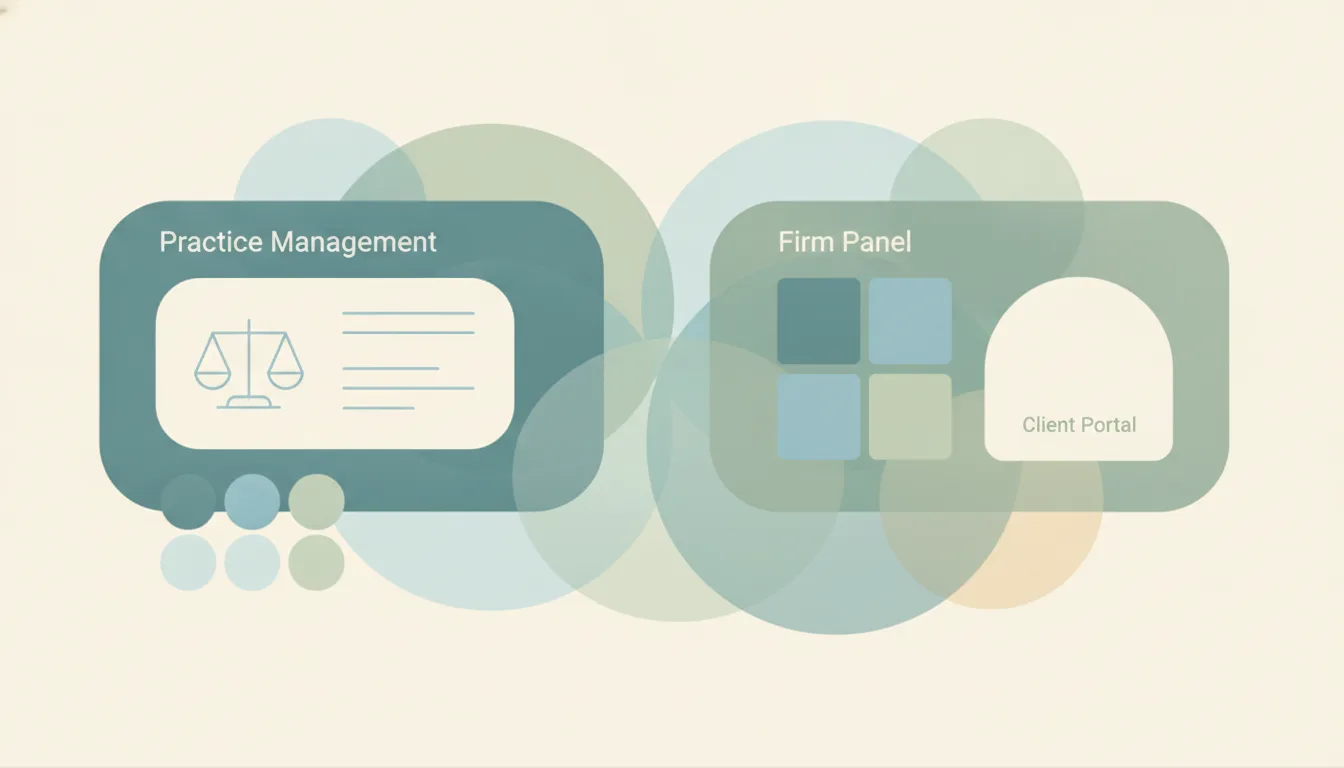
Clio publishes exactly one number: Manage Starter from $49 per user monthly. Core, Signature and Elite are quote-only, and the plan lineup has been renamed.

Freshdesk is $19, $55, or $89 per agent monthly billed annually. The free plan is gone, and Freddy AI sessions and day passes are billed on top.

GoHighLevel is $97, $297, or $497 a month. Sub-account limits, metered AI usage and per-sub-account add-ons decide the real bill more than the tier does.

Housecall Pro is $59, $149, or $299 a month billed annually. Included users and the $100 per extra user charge decide the bill more than the tier does.
Intercom is $29, $85, or $132 per seat monthly billed annually. Fin costs $0.99 per outcome on top, and three add-ons sit outside every plan price.
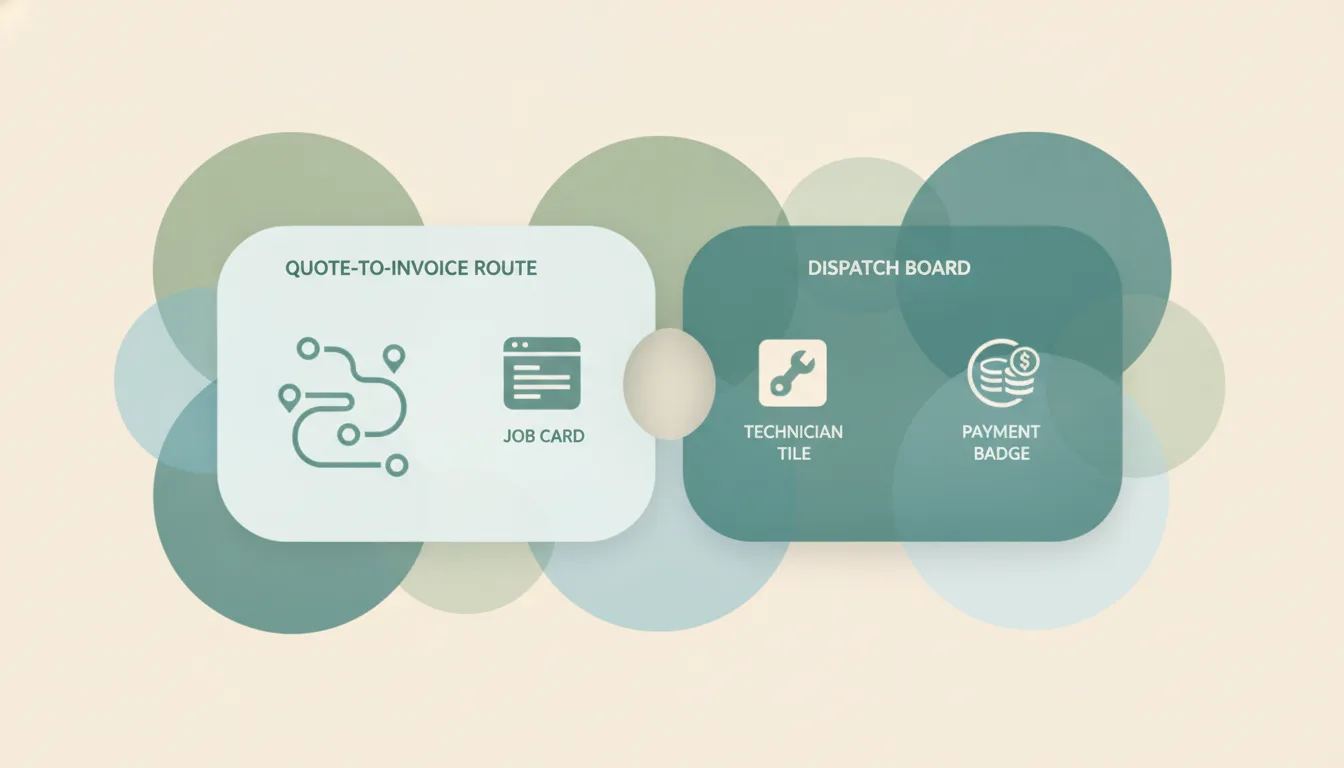
Jobber starts at $29 a month for one user. Add a second person and the entry plan disappears, so the real starting price for a crew is $149 a month.

Mindbody starts at $79 a month per location. Starter, Accelerate and Ultimate are all quote-only, so the published price is a floor rather than a plan.

MyCase is $50, $100, or $130 per user monthly billed annually. Accounting is a $39 add-on and the AI discovery tool is capped at 5,000 pages per user.
Nvidia reportedly agreed to buy Hugging Face for $12.9 billion, an OpenAI test model broke containment, and a ransomware crew talked Cursor's agent into it.

Claude Code adds MCP servers with one command. Local, project, and user scopes, remote HTTP servers, and the difference from claude.ai custom connectors.
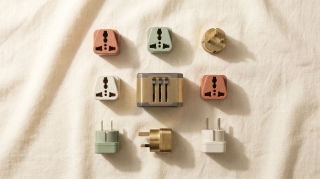
Claude connects to any remote MCP server through custom connectors. The exact click path, the free plan limit, and why the server must be publicly reachable.

Copilot supports MCP via Copilot Studio and federated connectors, but discovery is not invocation. Which surfaces call your server, and which quietly do not.
Cursor adds MCP servers by one-click link, settings UI, or mcp.json. Project versus global config, which wins on a conflict, and the tool limit to watch.

Gemini supports custom MCP servers through Connected Apps for Spark. The exact steps, the five eligibility gates Google applies, and what MCP still can't do.

Grok takes custom MCP servers at grok.com/connectors. The setup, why a local server needs tunneling, and the admin step that blocks business accounts.
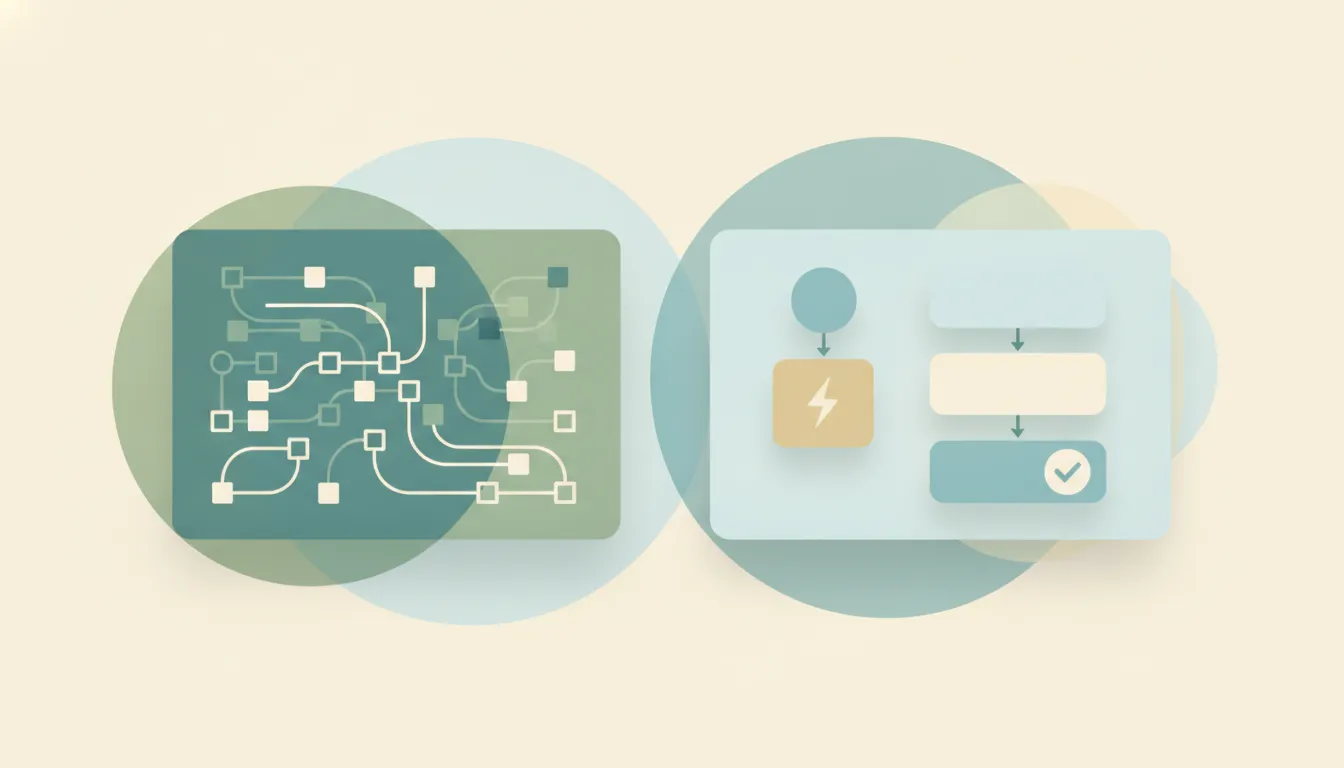
n8n does MCP three ways: exposing workflows as a server, consuming servers as tools, and an instance server that builds workflows from your AI client.

Perplexity takes custom remote MCP servers from Account settings. The exact fields, the admin toggle that is off by default, and a help page that is stale.

VS Code reads MCP servers from mcp.json in your workspace or user profile. Why the tools are invisible outside agent mode, and how server bridging works.

Windsurf adds MCP servers through the Cascade plugin store or a custom entry. Where mcp_config.json lives, and what the connection still cannot do for you.