Linear vs Asana: Which to Pick in 2026?
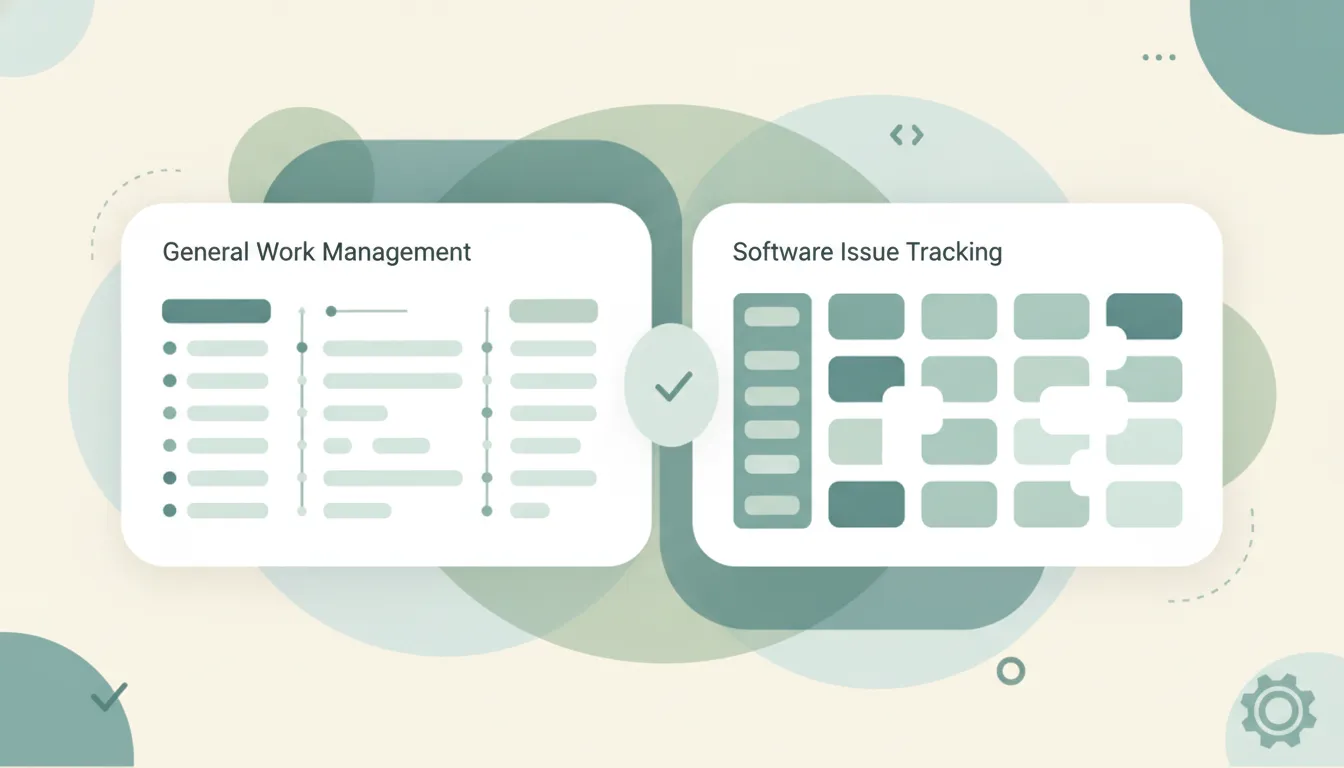
One tool is tuned for engineers who want to move fast; the other coordinates work for every kind of team. Linear is a fast, opinionated issue tracker built for software and product teams — keyboard-driven, sleek, organized around cycles and projects with almost no overhead. Asana is broad work management for any team — tasks, lists, boards, timelines, goals, and workflows that flex to marketing, ops, and cross-functional projects. If you mainly need streamlined software issue tracking, Linear. If you want flexible general work management for any team, Asana.
The One-Sentence Answer
Use Linear if you run an engineering-led team that values speed and clean defaults. Use Asana if you coordinate work across many kinds of teams and want maximum flexibility.
Side-by-Side Comparison
| Linear | Asana | |
|---|---|---|
| Core strength | Fast issue tracking | Flexible work management |
| Built for | Software & product teams | Any team, any workflow |
| Interface | Keyboard-driven, minimal | Point-and-click, feature-rich |
| Structure | Cycles, projects, issues | Tasks, lists, boards, timelines, goals |
| Opinionation | Opinionated, clean defaults | Highly configurable |
| Learning curve | Low for engineers | Approachable for non-technical teams |
| Views | Lists, boards, roadmaps | Lists, boards, calendar, timeline, Gantt |
| Best for | Shipping software quickly | Coordinating cross-functional work |
When to Use Linear
- Your team is engineering- or product-led and ships software
- You want speed: keyboard shortcuts, fast navigation, minimal clicks
- You like opinionated, clean defaults instead of configuring everything
- You organize work into cycles and projects, not sprawling task lists
Think of Linear as a purpose-built tool for shipping software — lean, fast, and out of your way.
When to Use Asana
- Your teams span marketing, operations, design, and other non-engineering work
- You need flexible views: lists, boards, calendars, timelines, and Gantt charts
- You want to tie day-to-day tasks up to company goals and portfolios
- You’re coordinating cross-functional projects with mixed, non-technical members
The Engineering-Speed vs Team-Flexibility Line That Decides It
The real deciding factor is who sits in the tool all day and what they’re tracking. Linear is opinionated on purpose: it assumes a software team wants to move issues through cycles with as little friction as possible, so it trades configurability for speed and clean defaults. Asana takes the opposite stance and stays flexible, so a marketing team, an ops team, and a product team can all shape it to their own workflow. Engineering-led orgs usually find Asana’s breadth to be overhead, while broad, cross-functional teams find Linear too narrow for non-technical work. Company size matters less here than the type of work: it’s not “startup vs enterprise,” it’s “software issue tracking vs general work coordination.” Many larger companies run both, with engineering in Linear and everyone else in Asana.
Rule of thumb: engineering-led team shipping software → Linear; any team coordinating general work → Asana.
If the real goal is getting the work done rather than managing a project tool, neither Linear nor Asana does the work for you. Carly is an AI executive assistant you email or text — it schedules meetings, handles email, and runs tasks on your behalf. It also automates multi-step workflows across 200+ integrations, including the Linear integration and the Asana integration. See our best AI tools for task management.
Quick Reference
| Your situation… | Pick… |
|---|---|
| Engineering-led software team | Linear |
| Marketing, ops, or cross-functional work | Asana |
| You want speed and keyboard-driven flow | Linear |
| You need timelines, goals, and portfolios | Asana |
| You like opinionated, clean defaults | Linear |
| You want maximum configurability | Asana |
Related guides: Best AI tools for task management · Asana vs Jira
Ready to automate your busywork?
Carly schedules, researches, and briefs you—so you can focus on what matters.
See what people say
"Before Carly, I relied on a Calendly link, but the whole process felt impersonal and not very professional. Carly changed that by handling all the back-and-forth, so I'm no longer stuck in endless email threads trying to line up schedules.
Now Carly reaches out to candidates, shares my real-time availability, lets them pick a slot, then sends a Zoom link and drops it straight into my calendar. She sends reminders to both of us before each call, which has significantly reduced no-shows and last-minute confusion.
On top of scheduling, Carly acts like a full executive assistant, sending me my schedule the night before so I can prepare for each call. It reminds me of the old x.ai assistant, but Carly is noticeably smarter, faster, and better suited to my healthcare recruitment business."