Quo (OpenPhone) vs Dialpad: 2026 Pricing and AI Compared
Quo (formerly OpenPhone) and Dialpad both start at $15/user, but texting, AI transcripts, AI agents and contracts split them. Here's which to pick.
216 posts
Quo (formerly OpenPhone) and Dialpad both start at $15/user, but texting, AI transcripts, AI agents and contracts split them. Here's which to pick.

Quo, formerly OpenPhone, runs $15 to $47 per user. Google Voice runs $0 to $30. How texting rules, shared numbers and AI differ, and who each fits.

Quo (formerly OpenPhone) charges per user from $15/month. Grasshopper charges per account from $14. Plans, texting fees, AI and which fits your team.

Quo (formerly OpenPhone) starts at $15/user and RingCentral at $20, but texting, AI receptionists and contracts split them. Here's which to pick.

RingCentral starts at $20/user and Dialpad at $15, but texting caps, AI add-ons and annual contracts split them. Here's which business phone to pick.

Nextiva starts at $15/user and RingCentral at $20, but contracts, texting caps and AI receptionist pricing split them. Here's which to pick.

Microsoft Planner and To Do overlap but solve different problems. How they differ on ownership, boards, licensing, and how tasks flow between them.

Microsoft To Do vs Todoist on capture speed, organization, Outlook integration, platform reach, and cost, plus which one actually suits how you work.
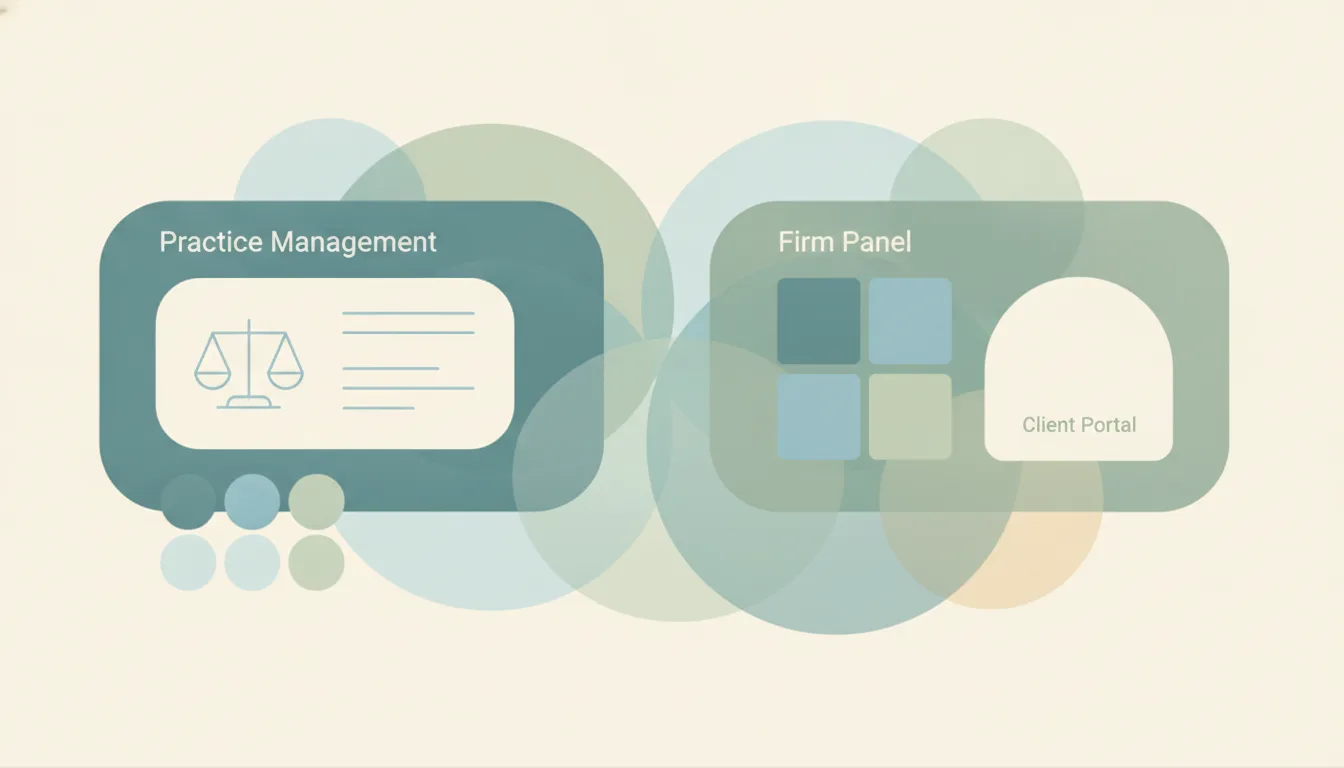
MyCase publishes every price, $50 to $130 per user. Clio publishes only its $49 entry tier. Here's how the two actually compare in 2026.
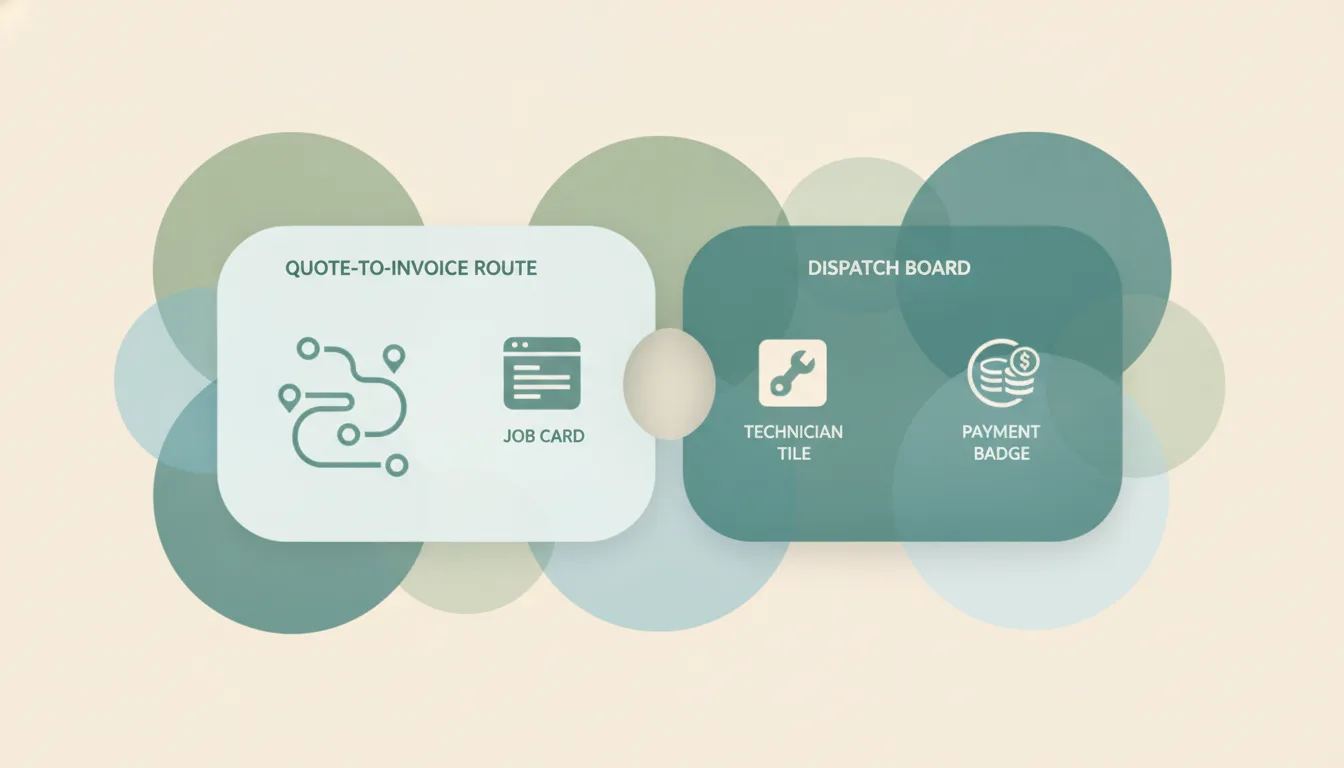
Jobber starts at $49/month and Housecall Pro at $59, but the tier where each unlocks integrations is $139 vs $299. Here's which to pick.
QuickBooks Online now runs $38 to $275/month with hard seat caps. Xero runs $25 to $90 with unlimited users. Here's which one to pick in 2026.
Stripe and Square both charge 2.9% + 30¢ online, so the fee sheet won't decide it. Here's the real split between them, with 2026 rates.
Zendesk and Freshdesk both start at $19/agent and both hit $55 at mid-tier. The gap is in AI add-on pricing and the top tier. Compared for 2026.
Jotform is a powerful form builder with payments and e-signatures; Google Forms is free and unlimited. Here's which to pick in 2026.

Typeform is conversational, design-first forms; Jotform is a maximalist builder with PDFs, approvals, and payments. Which to pick in 2026.
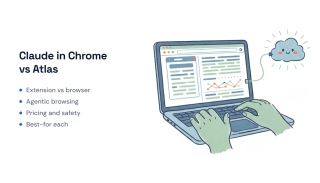
Anthropic bet on a Chrome extension; OpenAI bet on a whole browser — and is now sunsetting it. How Claude in Chrome and ChatGPT Atlas compare on architecture, models, agent mode, pricing, and safety.
Aider is a free, open-source terminal AI pair programmer; Cursor is a paid AI-native IDE. Here's which one fits your workflow in 2026.
Attio vs Salesforce in 2026: a fast, moldable AI-native CRM against the enterprise standard. Compared on cost, setup, and AI approach.
Confluence pricing in 2026: Free (10 users), Standard ($5.42/user), Premium ($10.44/user), Enterprise. Full per-user breakdown, free plan limits, and the hidden costs.
Gong is a full revenue-AI platform; Chorus is ZoomInfo's conversation intelligence, cheapest inside the ZoomInfo stack. Which to pick in 2026.
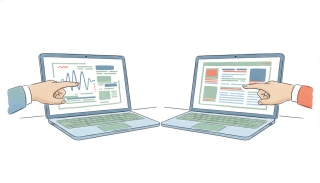
Granola vs Notion in 2026: Granola is a standalone AI notepad; Notion AI Meeting Notes lives inside your workspace. Which to pick.

Intercom vs Freshdesk in 2026: Intercom (now Fin) is AI-first per-resolution support; Freshdesk is structured per-seat ticketing. Which to pick?
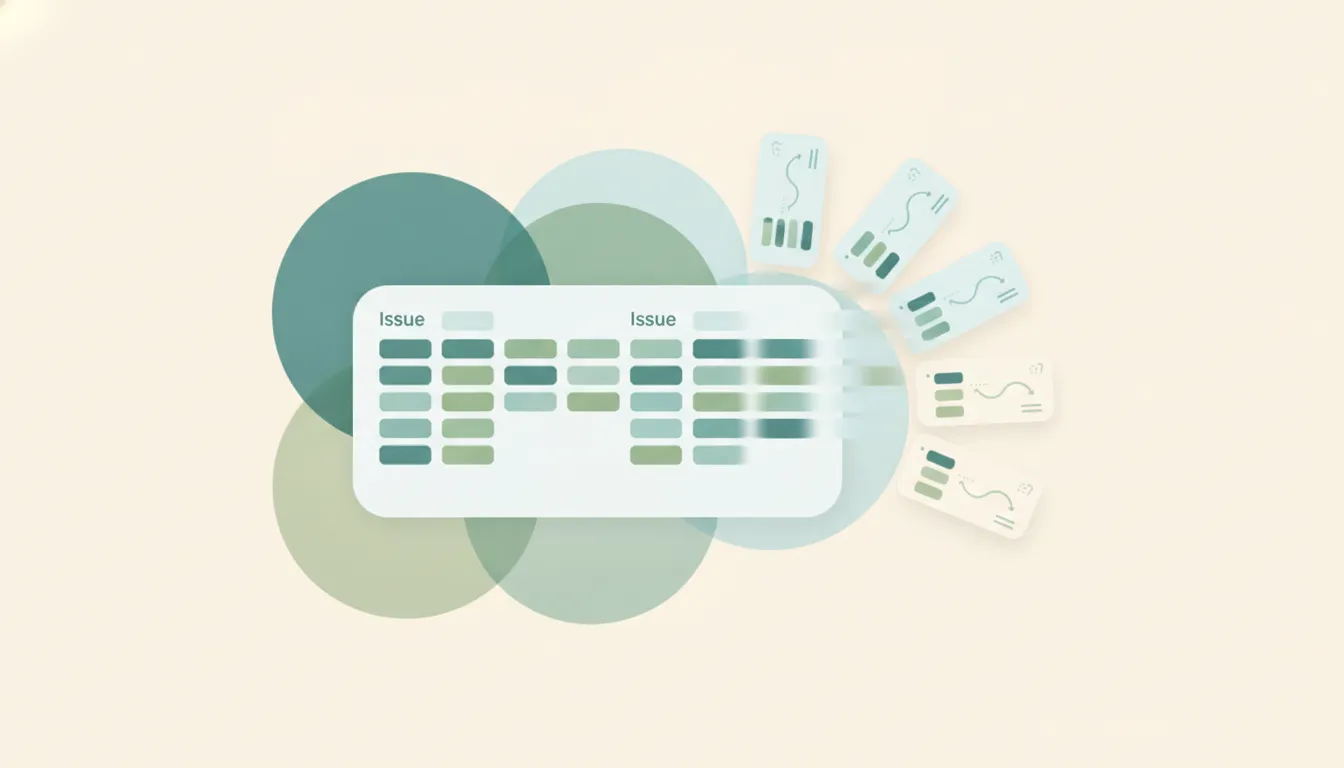
Jira pricing in 2026: Free (10 users), Standard ~$7.91/user, Premium ~$14.54/user, and custom Enterprise. Monthly vs annual, Rovo AI gating, and is Jira free?

Notion pricing in 2026: Free ($0), Plus ($10/mo), Business ($20/mo), and Enterprise. Full per-seat breakdown, free plan limits, and where the hidden costs are.
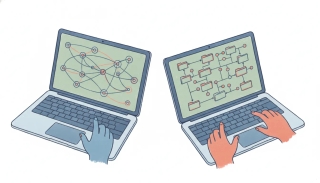
Roam Research is a cloud-hosted outliner for networked thought; Obsidian is a free, local-first markdown app. Which to pick in 2026, and why.
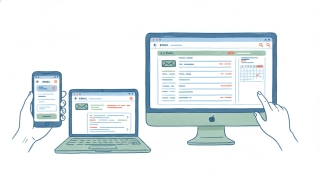
Spark by Readdle is a cross-platform email client you point at any account; Outlook is Microsoft's full email and calendar hub. Which to pick in 2026.
Trello pricing in 2026: Free, Standard ($5/user), Premium ($10/user), and Enterprise ($17.50/user). Monthly vs annual, AI gating, and is Trello free?
1Password is a security-first vault with a Secret Key; LastPass is a familiar, cheaper option rebuilding after its 2022 breach. Which to pick in 2026.
Airtable is a relational database and app builder; Excel is the deep analytical spreadsheet. Here's which to pick in 2026.
Airtable is a relational database that looks like a spreadsheet; Google Sheets is a true spreadsheet. Here's which to pick in 2026.
Apple Notes is free, fast, Apple-native capture; Notion is a flexible cross-platform workspace. Here's which to pick in 2026.
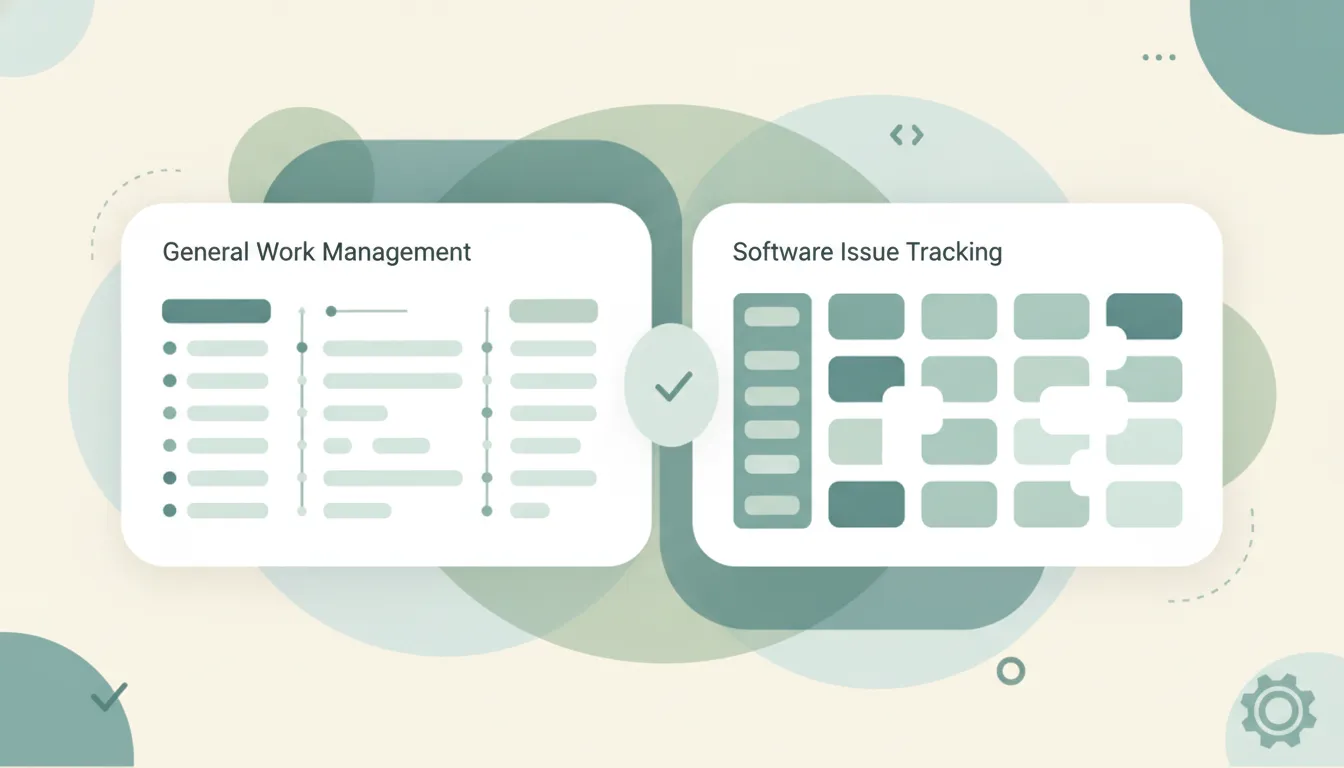
Asana is general work management for cross-functional teams; Jira is issue tracking built for software engineering. Here's which to pick in 2026.
Asana is clean, approachable work management; Wrike is configurable project and resource management. Here's which to pick in 2026.
Ashley is a chat-first scheduling chief of staff that never touches your inbox; Alfred is an inbox-first assistant that triages email overnight. Here's which to pick in 2026.
Attio is a modern, moldable, data-first CRM for tech teams; HubSpot is the all-in-one platform with marketing, sales, and service. Here's which to pick in 2026.

Basecamp is a calm, opinionated all-in-one team tool; Asana is flexible, feature-rich work management. Here's which to pick in 2026.
Buffer is broad, simple cross-platform scheduling; Later is visual-first Instagram and creator-commerce planning. Here's which to pick in 2026.

Calendly is the standalone booking-link leader that works with any calendar; Microsoft Bookings is the appointment app bundled into Microsoft 365. Here's which to pick in 2026.

Canva is the template-rich all-in-one design suite; Adobe Express is Adobe's Firefly-powered, commercially safe editor. Here's which to pick in 2026.
Capacities is object-based PKM for your own thinking; Notion is a flexible all-in-one workspace for teams. Here's which to pick in 2026.
Cassidy builds AI agents that answer from your company knowledge base; Gumloop builds multi-step AI workflows on a visual node canvas. Here's which to pick in 2026.
Claude Code is Anthropic's autonomous terminal agent; GitHub Copilot is a multi-model IDE assistant. Here's which to pick in 2026.
Claude Cowork works on your real desktop and files; ChatGPT agent works in its own cloud sandbox. Here's which to pick in 2026.
Claude Cowork works on your local desktop files and comes bundled with your Claude plan; Manus runs long autonomous jobs in a cloud VM on credits. Here's which to pick in 2026.
Coda turns documents into interactive apps with formulas and automations; Notion is a flexible blocks-and-database workspace with a huge ecosystem. Here's which to pick in 2026.
Confluence is a dedicated enterprise wiki with governance and Jira integration; Notion is a flexible all-in-one workspace for docs, databases, and projects. Here's which to pick in 2026.
Microsoft Copilot lives in your Office apps, Gemini lives in Google Workspace, and ChatGPT is the flexible standalone leader. Here's which to pick in 2026.
Cora is a new AI email assistant that screens and drafts on Gmail; SaneBox is veteran provider-agnostic triage that works on any inbox. Here's which to pick in 2026.

Cora is an AI assistant that screens your Gmail and briefs you twice a day; Shortwave is a faster AI email client you work inside. Here's which to pick in 2026.

Cursor is an AI-native code editor; Claude Code is Anthropic's terminal-native coding agent. Here's which to pick in 2026.
Cursor is a standalone AI-native editor; GitHub Copilot is an assistant inside your existing IDE. Here's which to pick in 2026.

DeepSeek is open-weight, ultra-cheap, and China-hosted; Claude is Anthropic's frontier, US-hosted, safety-first lineup. Here's which to pick in 2026.

DeepSeek is a cheap, open-weight reasoning model you can self-host; Gemini is Google's multimodal assistant baked into Workspace. Here's which to pick.
Devin is Cognition's autonomous software engineer that turns tickets into pull requests; Manus is a general autonomous agent that runs any web, research, or build task in a cloud VM. Here's which to pick in 2026.
Doodle is built around group time polls; Calendly is the leading personal booking-link tool. Here's which to pick in 2026.
Dropbox is the fastest cross-platform file sync; Google Drive is Workspace-native storage with 15GB free. Here's which to pick in 2026.
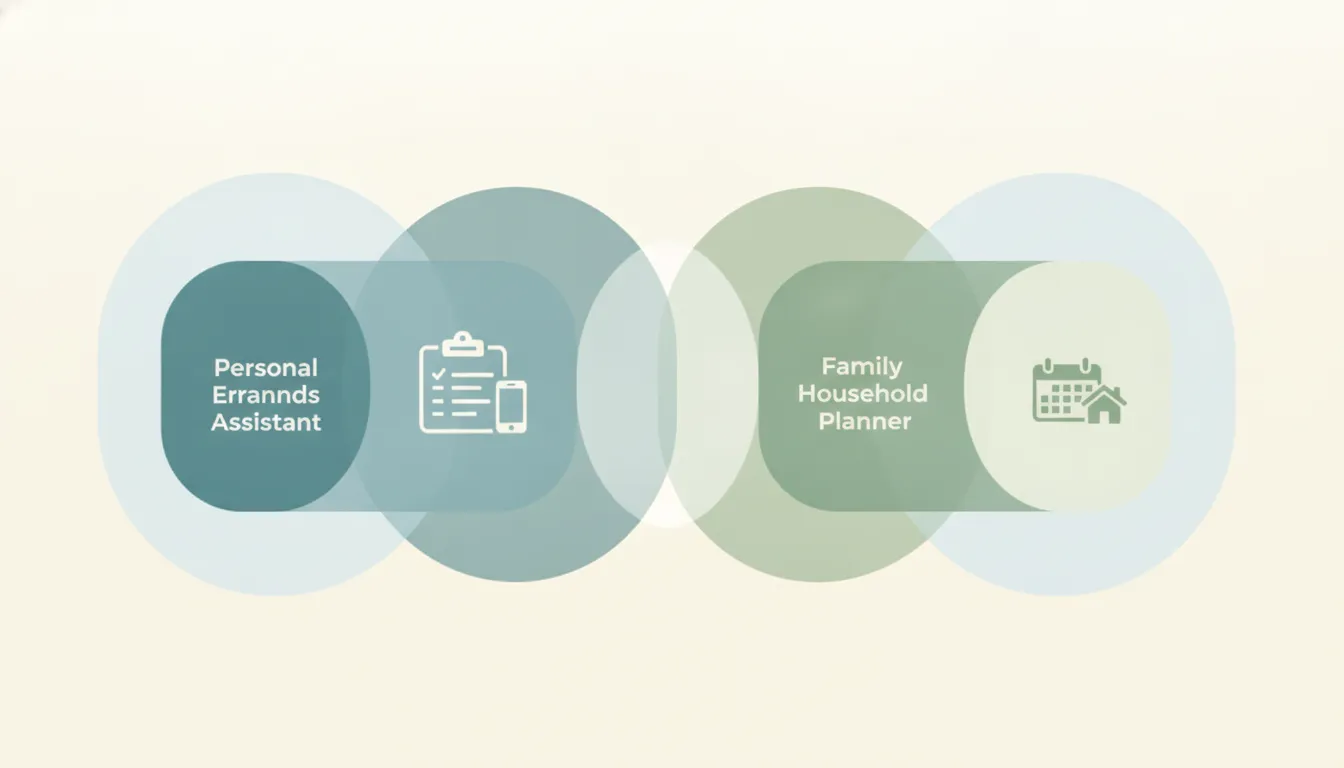
Duckbill pairs you with a human plus AI to run personal errands; Ohai is an affordable AI assistant for family and household coordination. Here's which to pick in 2026.

Ellie drafts email replies in your voice overnight; Fyxer triages your inbox, drafts, and takes meeting notes in one app. Here's which to pick in 2026.

Evernote is a clip-and-search notebook with a strong web clipper; OneNote is a free, free-form notebook deep in the Microsoft ecosystem. Here's which to pick in 2026.
Fantastical is a premium calendar app with natural-language input and polish; Google Calendar is the free, universal calendar tied to your Google account. Here's which to pick in 2026.
Figma is a professional UI/UX and product design tool; Canva is template-driven design for non-designers. Here's which to pick in 2026.

Figma is a professional interface-design and prototyping tool; Miro is a collaborative visual whiteboard. Here's which to pick in 2026.

Fyxer is a full inbox suite with triage, drafts, and meeting notes; Serif is a lightweight assistant that acts as you and asks when unsure. Here's which to pick in 2026.
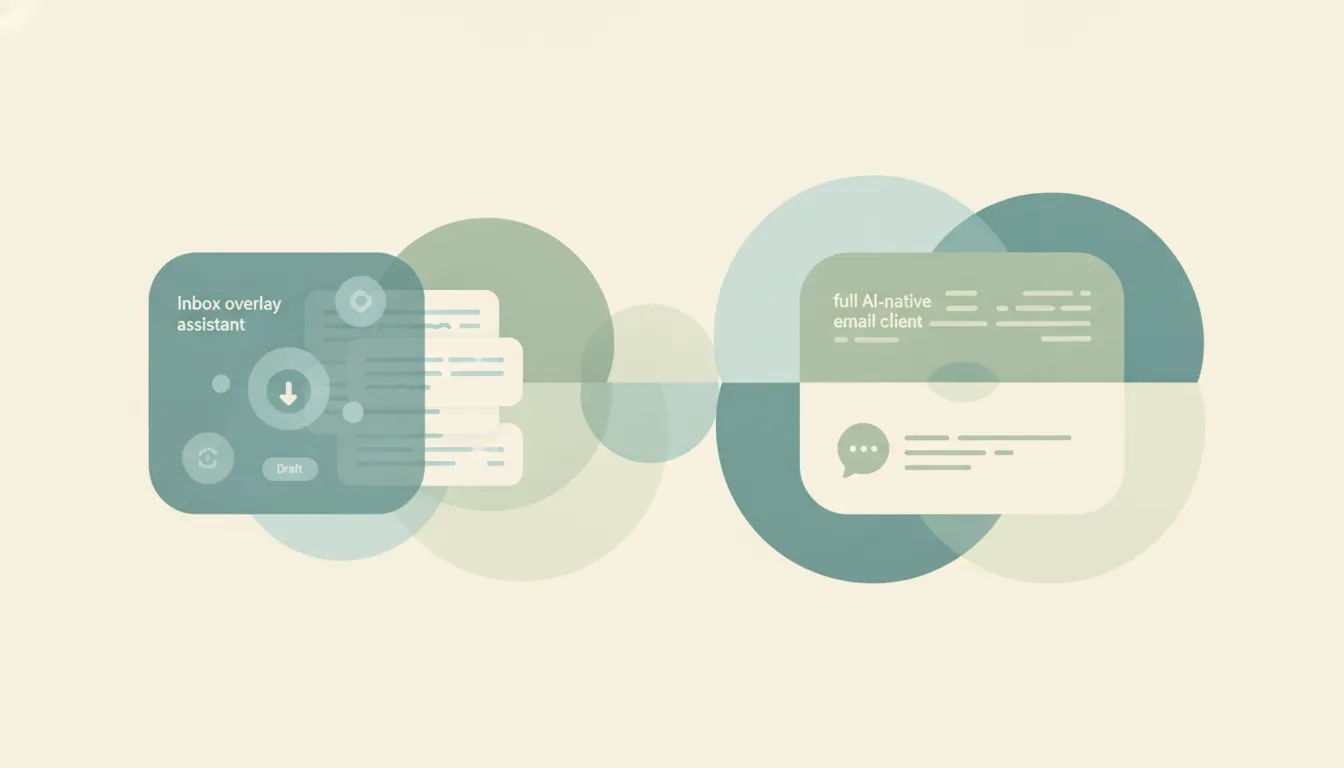
Fyxer adds an AI assistant on top of the inbox you already use, while Shortwave replaces Gmail with an AI-native client. Here's which to pick in 2026.

Genspark is an all-in-one super-agent workspace with 80+ built-in tools and multi-model routing; ChatGPT agent is agent mode inside the ChatGPT you already pay for. Here's which to pick in 2026.

Genspark is an all-in-one Super Agent workspace with 80+ tools; SuperNinja is an autonomous agent with a dedicated VM and a free tier. Here's which to pick in 2026.
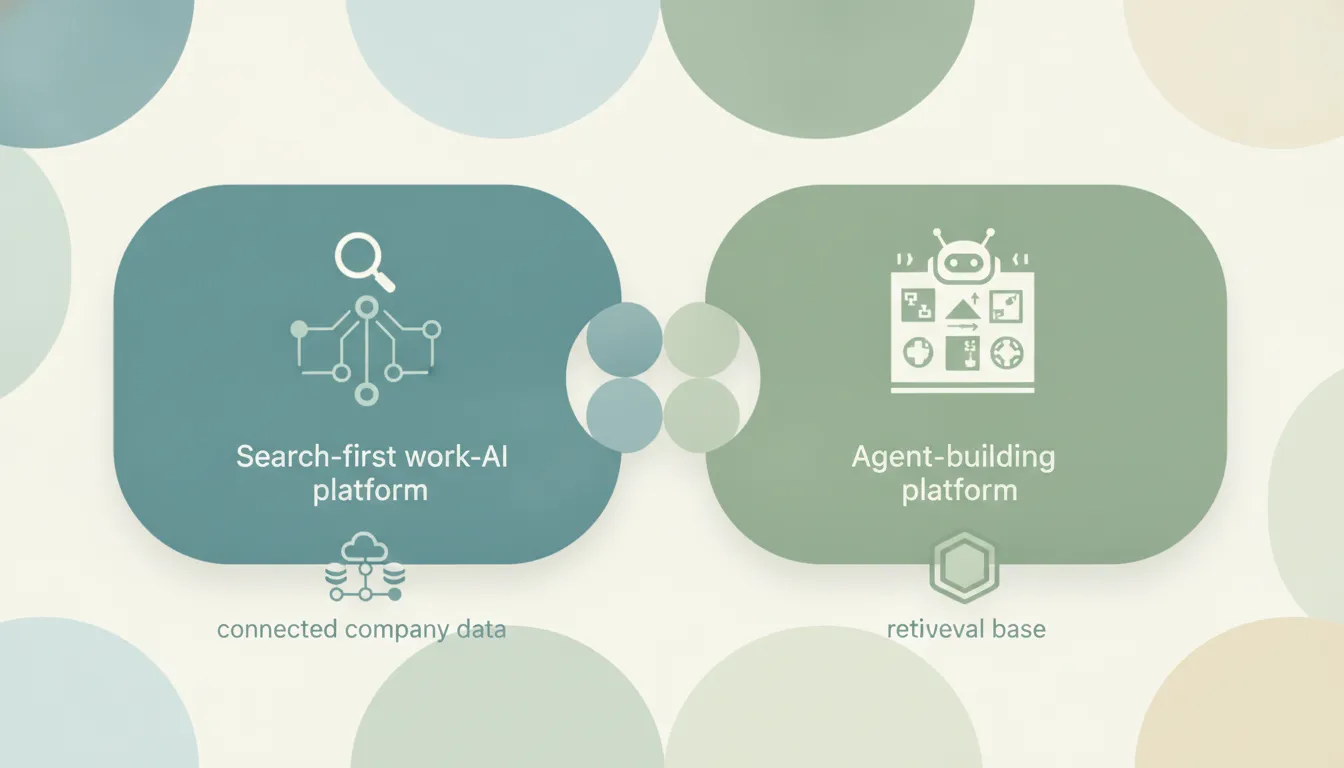
Glean is a polished search-first enterprise Work AI platform; Dust is an agent-building platform with transparent per-user pricing and no seat minimum. Here's which to pick in 2026.
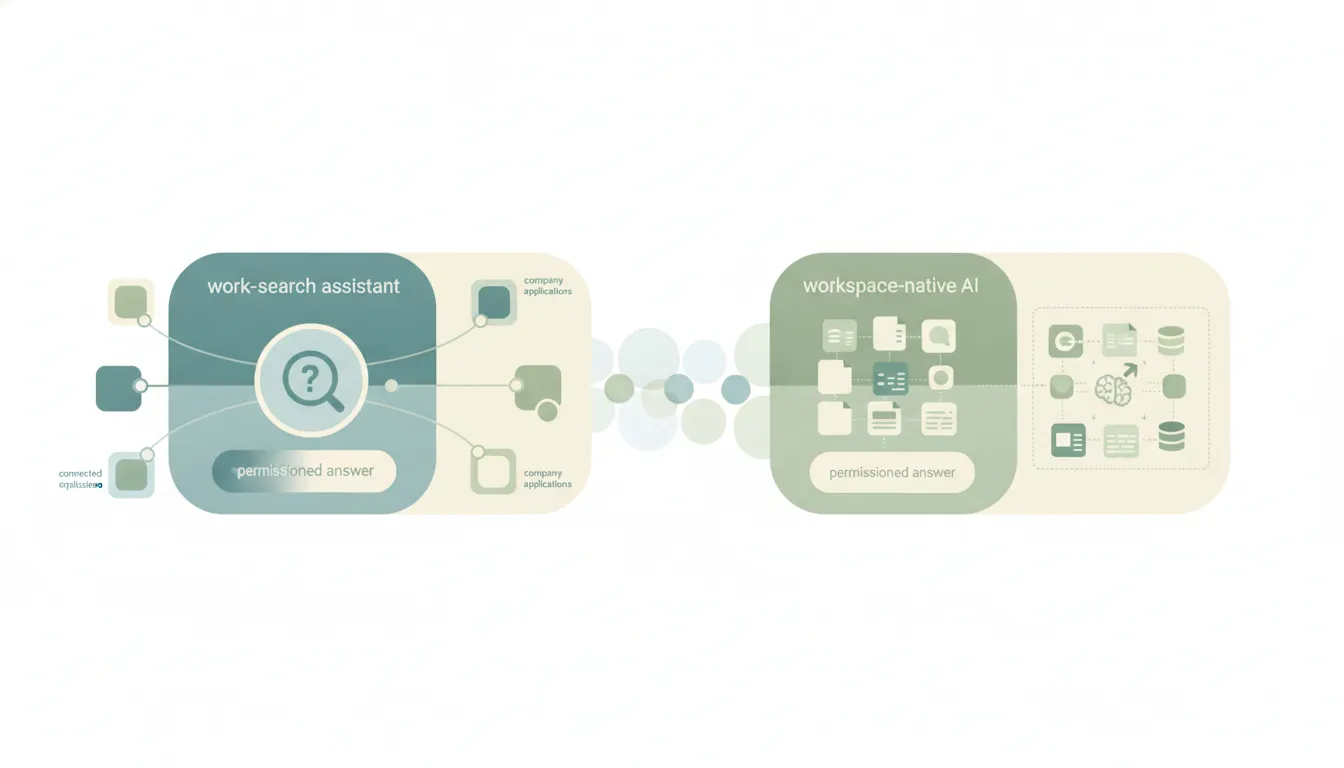
Glean is enterprise Work AI that searches your whole company's app stack; Notion AI is intelligence built into your Notion workspace. Here's which to pick in 2026.
Glean indexes 100+ apps into a searchable knowledge graph; Guru pairs enterprise search with a human-verified wiki. Here's which to pick in 2026.
Glean deeply indexes 100+ company apps into a permissions-aware knowledge graph; Perplexity Enterprise blends internal data with a fresh live web at a lower per-seat price. Here's which to pick in 2026.
Gmail is the ecosystem-and-search inbox tied to Google Workspace; Yahoo Mail is a free consumer inbox with generous storage and handy tracking features. Here's which to pick in 2026.

Google Drive is storage built around Google Workspace and Gemini; OneDrive is built around Microsoft 365 and Copilot. Here's which to pick in 2026.
Google Sheets is a free, web-first spreadsheet built for real-time collaboration; Excel is the deep analytical powerhouse. Here's which to pick in 2026.
Grammarly polishes original writing everywhere; QuillBot rewrites and summarizes existing text for students. Here's which to pick in 2026.
Granola quietly sharpens your own notes with no bot on the call; Fathom sends a recorder that captures and summarizes everything. Here's which to pick in 2026.
Grok is xAI's conversational chatbot with live X access; Perplexity is a cited answer engine. Here's which to pick in 2026.
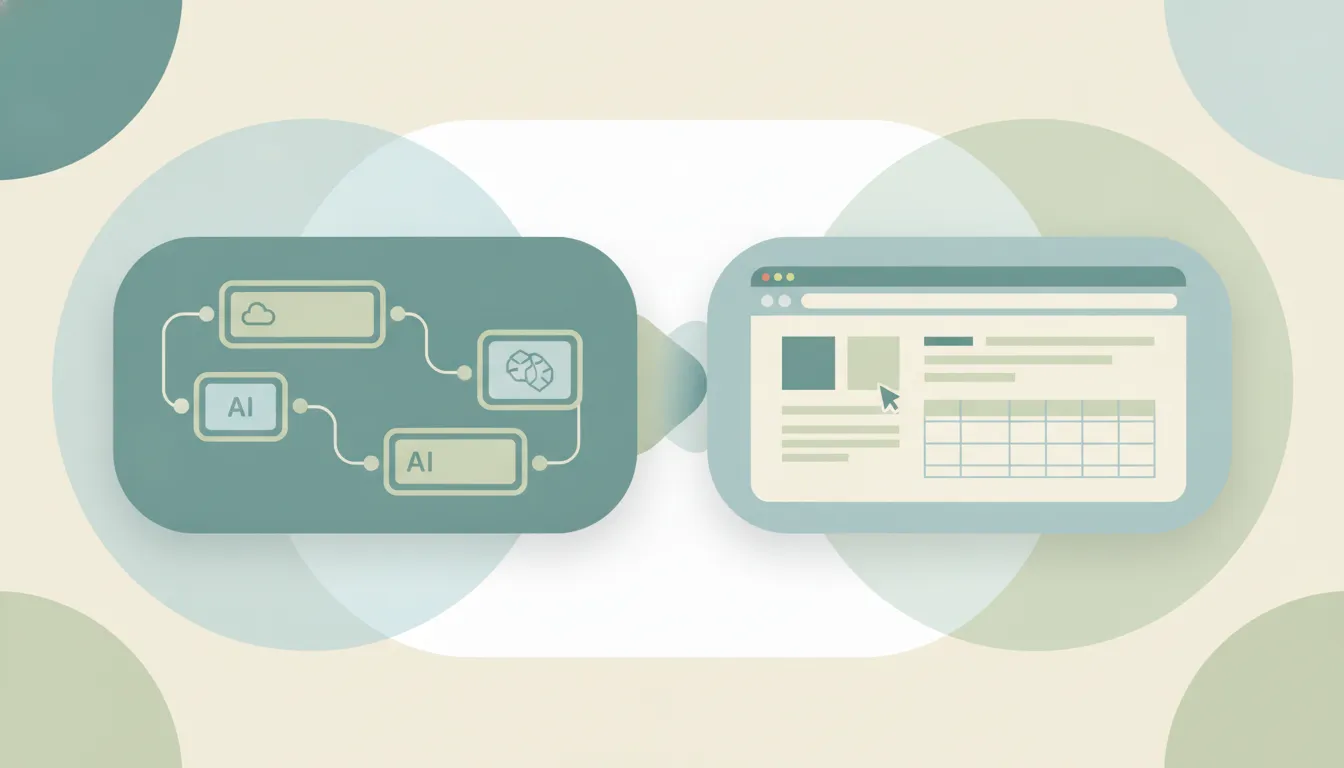
Gumloop is a no-code canvas for multi-step AI workflows; Bardeen is a Chrome-first browser-automation and scraping agent. Here's which to pick in 2026.
Hootsuite is enterprise-grade social management with listening and team inboxes; Buffer is simple, affordable scheduling. Here's which to pick in 2026.
HubSpot is the easy, all-in-one CRM for SMBs and mid-market; Salesforce is the deeply customizable enterprise standard. Here's which to pick in 2026.
HubSpot is a polished all-in-one CRM that gets pricey; Zoho is a cheap, sprawling business suite. Here's which to pick in 2026.
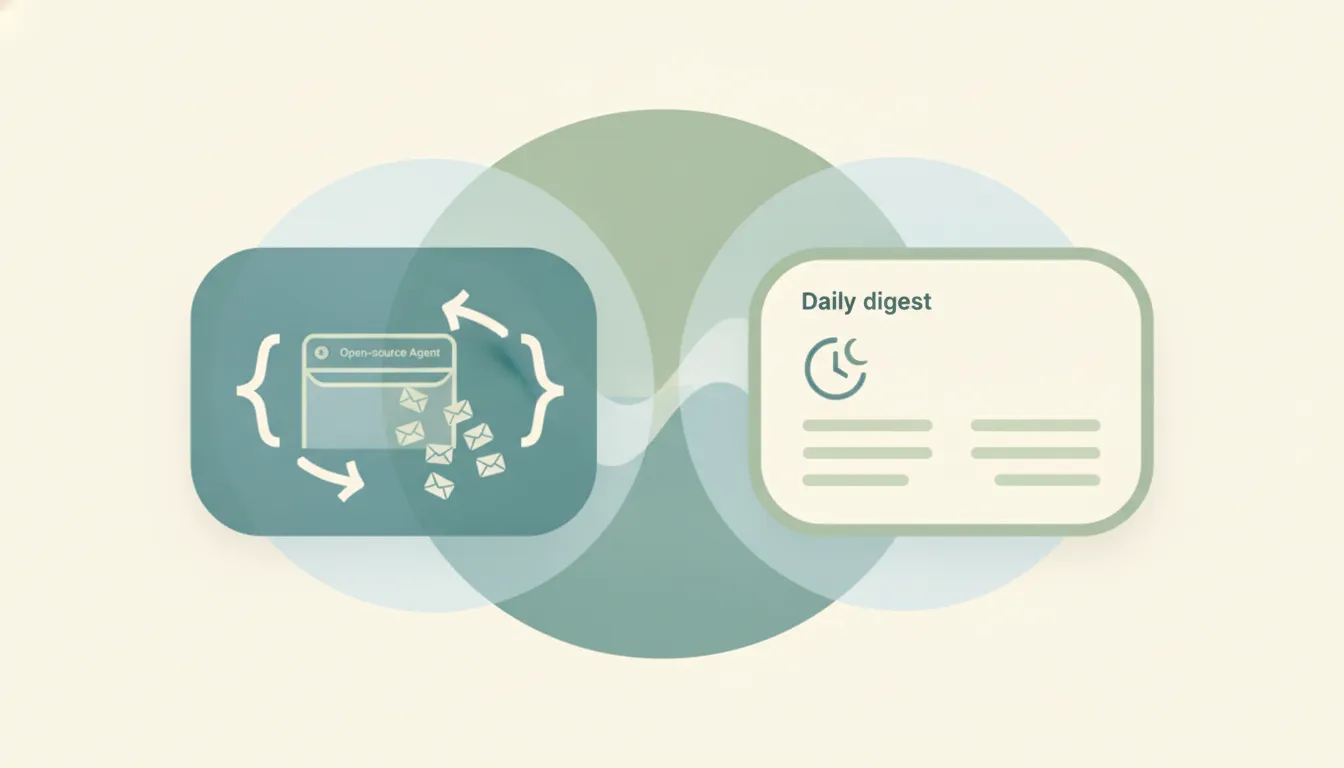
Inbox Zero is an open-source, self-hostable AI agent for your inbox; Cora is a closed AI assistant that screens mail and sends a twice-daily brief. Here's which to pick in 2026.

Inbox Zero is an open-source AI agent that runs on the inbox you already have, while Shortwave is a polished AI-native Gmail client you switch to. Here's which to pick in 2026.

Jace is a credits-based AI email assistant for Gmail; Alfred is an autonomous inbox and calendar EA whose triage uses no credits. Here's which to pick.
Jira is the deeply configurable incumbent that scales to complex orgs; Linear is a fast, opinionated tracker product teams love. Here's which to pick in 2026.
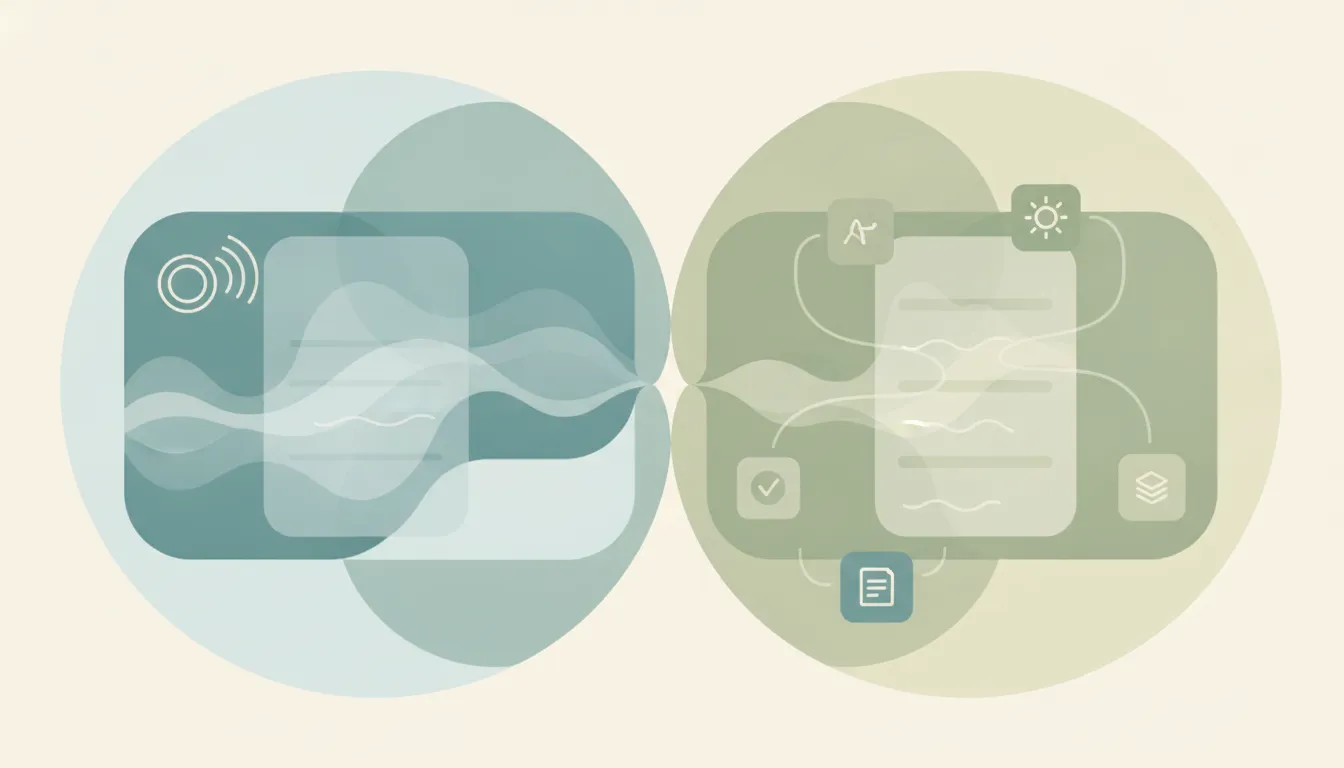
Lifestack plans your day around your body's energy, while Sunsama is a deliberate manual planning ritual. Here's which to pick in 2026.
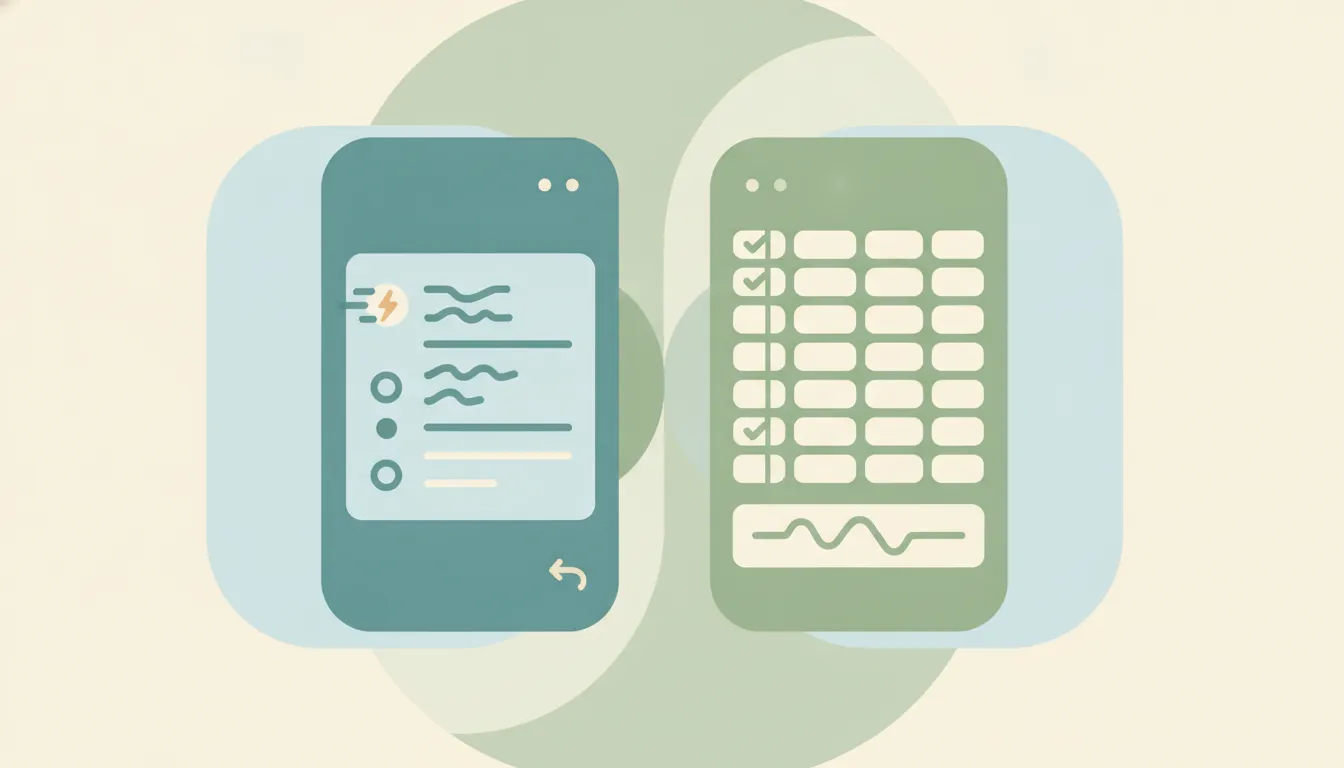
Linear is a fast, keyboard-driven issue tracker for software teams; Asana is flexible work management for any team. Here's which to pick in 2026.
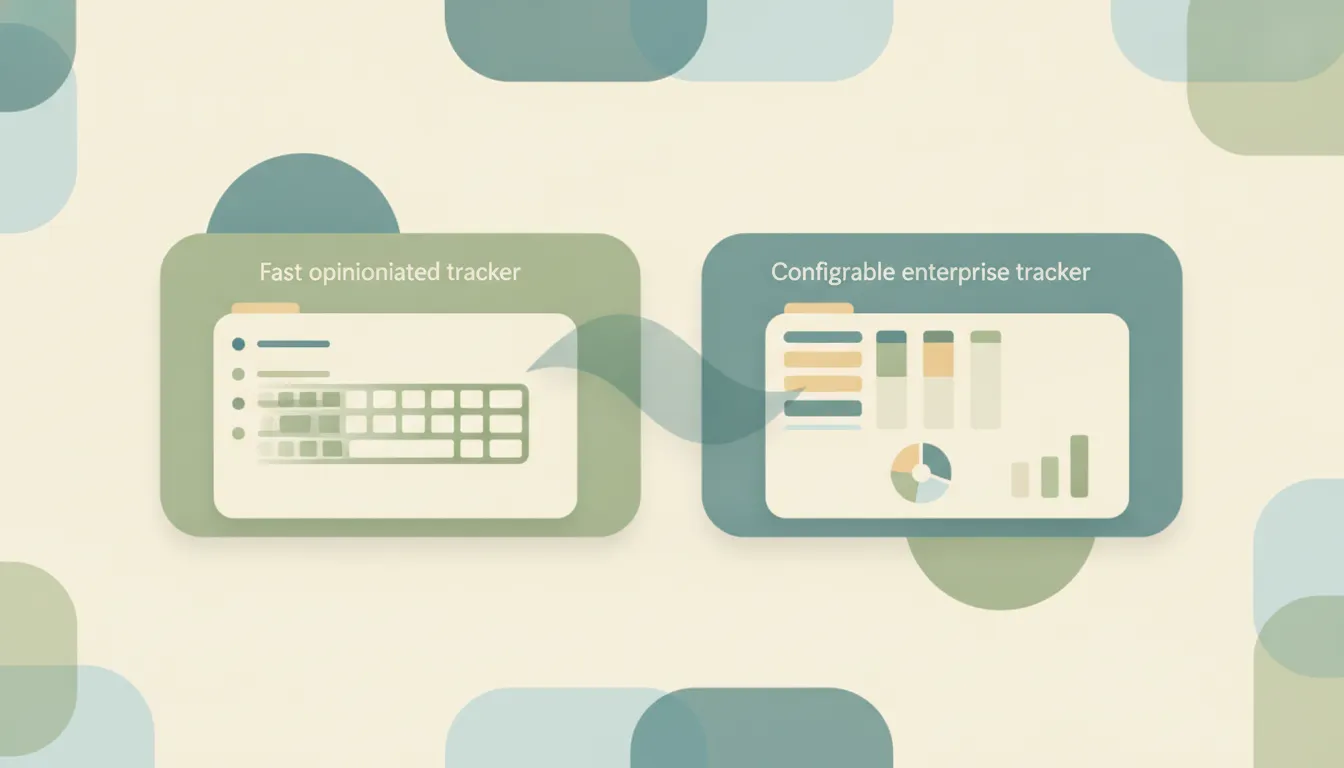
Linear is a fast, opinionated issue tracker for modern software teams; Jira is the configurable enterprise standard. Here's which to pick in 2026.

Logseq is an open-source outliner built on blocks and journals; Obsidian is a file-based markdown editor with a huge plugin ecosystem. Which to pick in 2026.

Loom is async screen-recorded video you send as a link; Zoom is live real-time meetings. Here's which one to pick in 2026.

Mailchimp is general-purpose email marketing for any small business; Klaviyo is ecommerce revenue automation. Here's which to pick in 2026.
Mailchimp is the deeper marketing-automation platform; Constant Contact is simpler with events and support. Here's which to pick in 2026.
Manus is a dedicated long-running autonomous agent with its own Linux VM; ChatGPT agent is agent mode inside the ChatGPT you already use. Here's which to pick in 2026.

Meta AI is a free assistant built into your social apps; ChatGPT is OpenAI's dedicated, capable standalone. Here's which to pick in 2026.
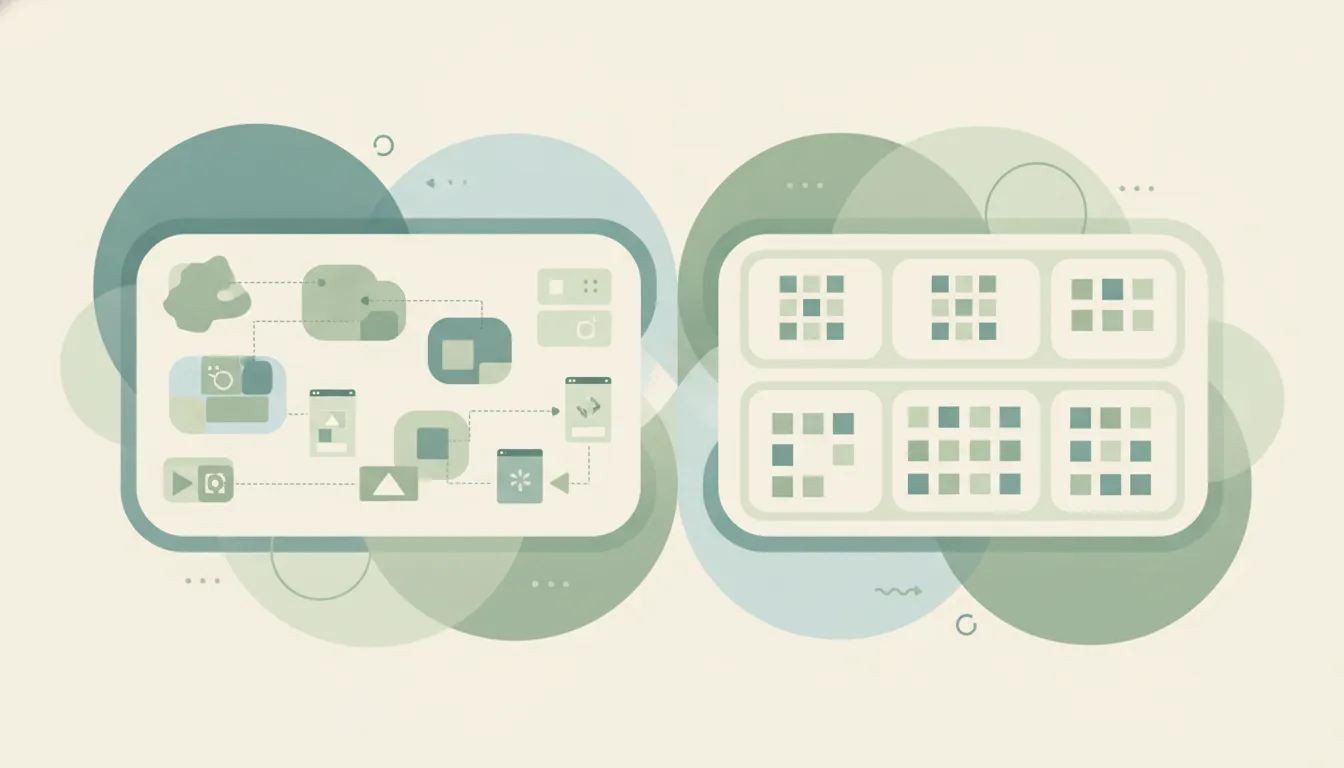
Miro is a broad visual innovation workspace; Mural is a facilitation-first whiteboard for workshops. Here's which to pick in 2026.

Mistral is Europe's open-weight, sovereignty-first AI (its assistant is now Vibe); ChatGPT is OpenAI's frontier ecosystem. Here's which to pick in 2026.
Morgen drafts your day with an AI Planner across your calendars; Akiflow is a keyboard task hub that consolidates tasks for manual time-blocking. Here's which to pick in 2026.
Morgen is a cross-platform AI day-planner that schedules your tasks; Vimcal is a keyboard-fast calendar for heavy meeting days on Apple and desktop. Here's which to pick in 2026.
Motion auto-schedules your day and runs AI Employees; ClickUp is a configurable all-in-one work platform. Here's which to pick in 2026.
SuperNinja bundles a dedicated agent VM and many models under a flat license; Manus is a credit-metered autonomous agent with a sandbox and browser. Here's which to pick in 2026.
Notion Calendar is a free, minimal, keyboard-first calendar tied into Notion; Fantastical is a premium Apple-native calendar with natural-language input and Calendar Sets. Here's which to pick in 2026.
Notion is a structured all-in-one workspace with databases and wikis; OneNote is a free free-form notebook in the Microsoft ecosystem. Here's which to pick in 2026.
Obsidian is a local-first Markdown app with backlinks and a knowledge graph; OneNote is a free cloud notebook with handwriting and Microsoft integration. Here's which to pick in 2026.
Outlook is Microsoft's cross-platform business email and calendar hub; Apple Mail is the free native Apple client. Here's which to pick in 2026.

Perplexity Comet is an AI browser that acts on the tabs you already have open; ChatGPT agent sends a chat assistant off to do a task in its own sandbox. Here's which to pick in 2026.
Pipedrive is the simple, affordable sales-team CRM; Salesforce is the customizable enterprise platform. Here's which to pick in 2026.
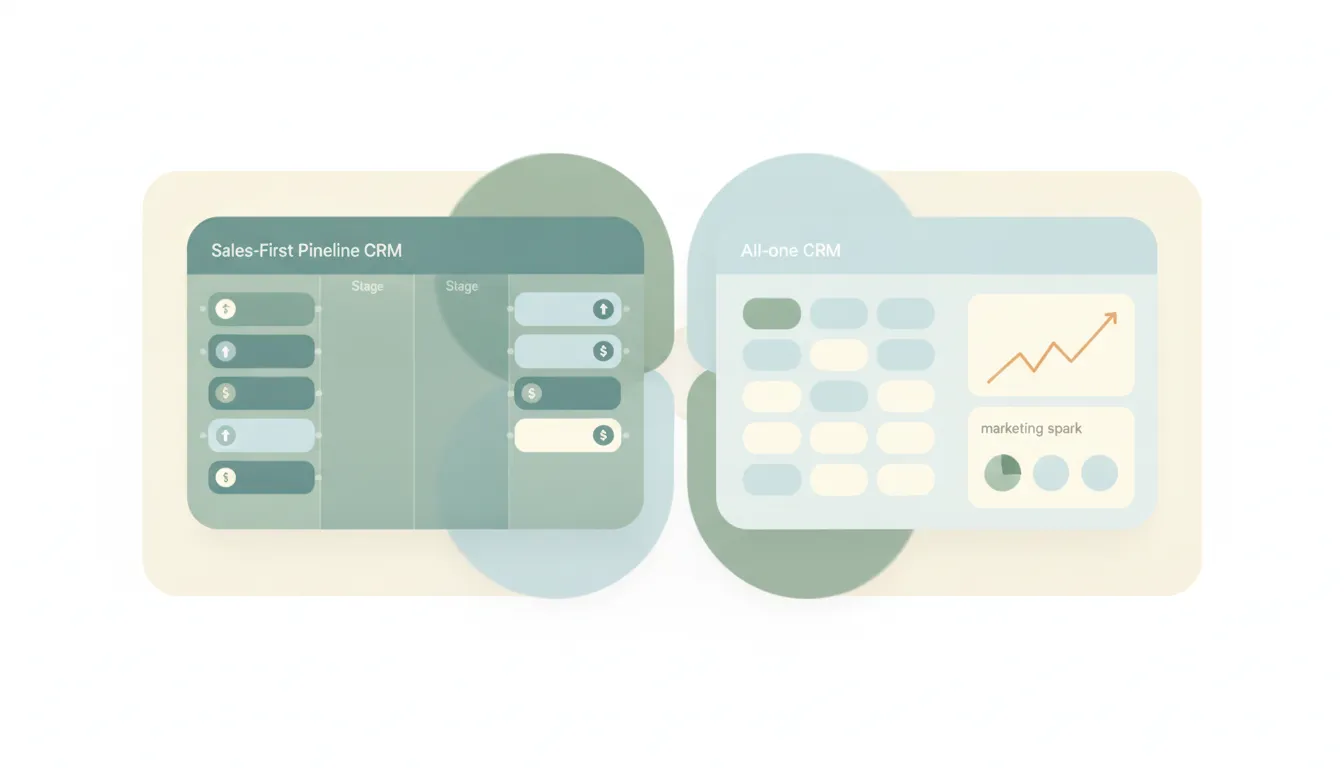
Pipedrive is a focused sales-pipeline CRM; HubSpot is an all-in-one marketing, sales, and service platform. Here's which to pick in 2026.
Poke lives in your text messages and reaches you anywhere; Town proactively acts across your email, calendar, and apps. Here's which to pick in 2026.
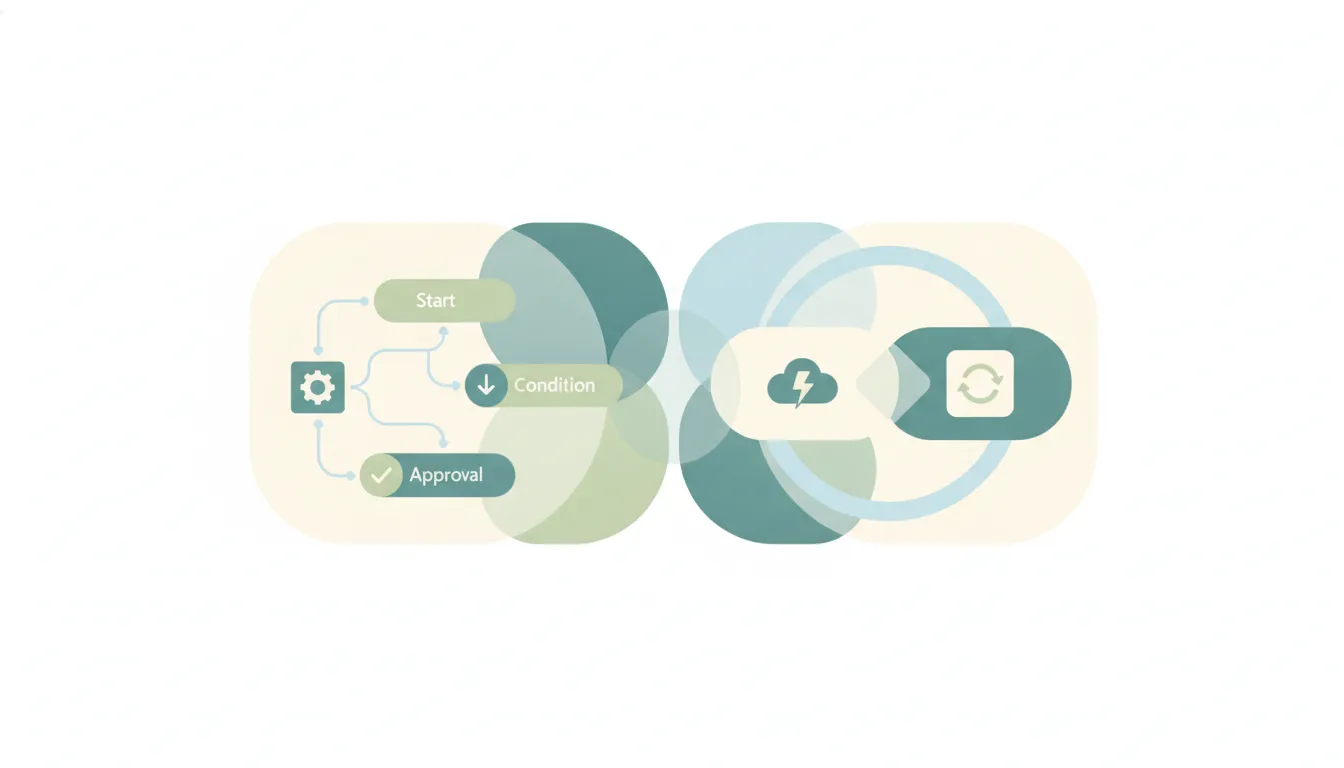
Power Automate is Microsoft's automation engine with desktop RPA; Zapier is the widest, easiest cross-app connector. Here's which to pick in 2026.
Reclaim is a polished, team-friendly auto-scheduler with habits and smart 1:1s; SkedPal is the veteran that schedules deep work with Time Maps. Here's which to pick in 2026.
Serif is a flat-rate inbox assistant that replies as you and asks when unsure; Jace is a credits-metered email EA that drafts and organizes Gmail. Here's which to pick in 2026.

Shortwave is an AI-native Gmail client with a built-in assistant; Superhuman is the fastest keyboard-first inbox, now Grammarly-owned. Here's which to pick in 2026.
SkedPal is a focused, affordable time-map auto-scheduler; Motion is a premium all-in-one work platform that bundles scheduling with project management. Here's which to pick in 2026.
Slack is business team messaging with deep integrations and compliance; Discord is community-first with always-on voice. Here's which to pick.

Smartsheet is a spreadsheet-grid work platform built for rigor at scale; monday.com is a colorful, visual Work OS built for approachable boards. Here's which to pick in 2026.
Spark is a collaborative smart-inbox email client with cloud AI; Canary Mail is a privacy-first client with on-device AI and encryption. Here's which to pick in 2026.
Superhuman is the fast, cloud-polished keyboard client; Canary Mail is the privacy-first client with on-device AI on every platform. Here's which to pick in 2026.
Tabnine is a privacy-first, self-hostable AI coding assistant; GitHub Copilot is the mainstream GitHub-native one. Which to pick in 2026.
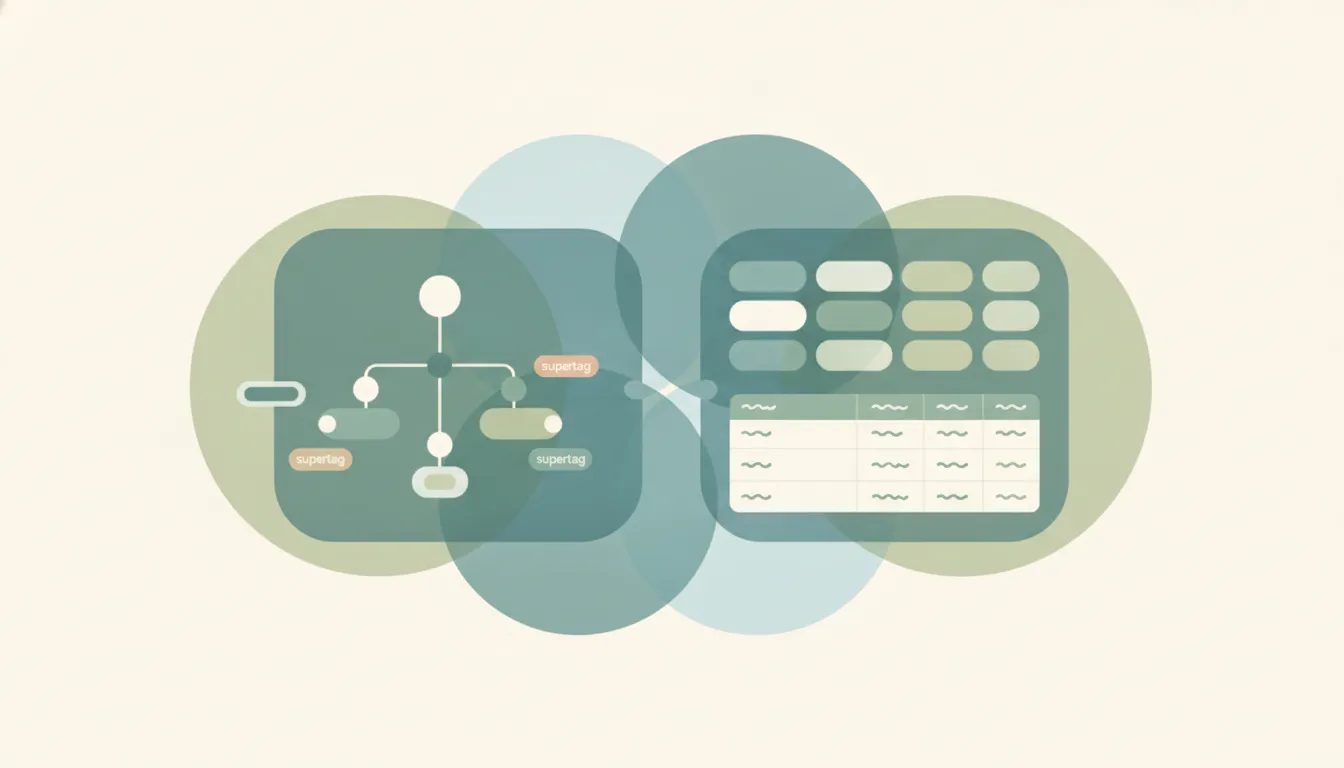
Tana is an AI-native outliner with supertags; Notion is a flexible all-in-one workspace. Here's which to pick in 2026.

Tasklet is a describe-the-goal autonomous AI agent; Bardeen is a Chrome-first browser-automation and scraping tool. Here's which to pick in 2026.
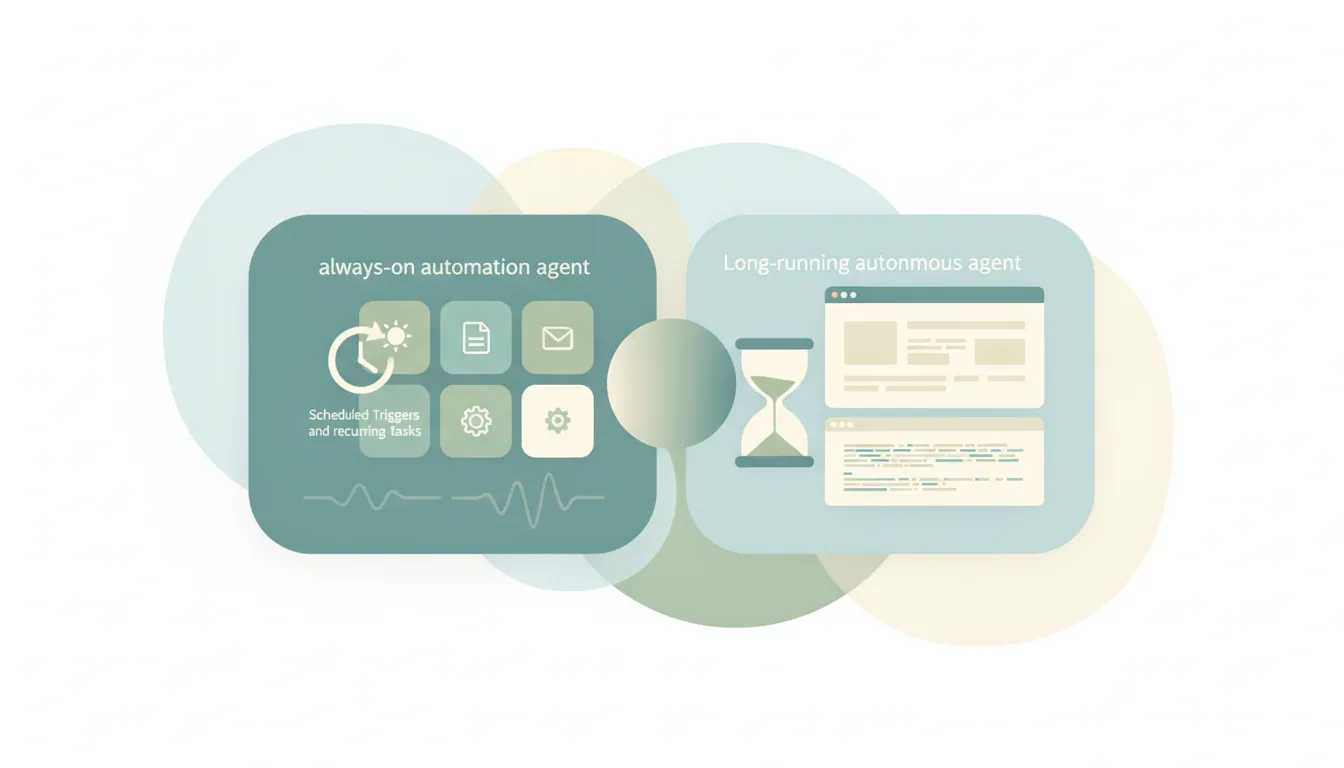
Tasklet runs always-on plain-English automations across thousands of apps; Manus is a fully autonomous agent for one-off long-running jobs. Here's which to pick in 2026.

Tasklet is a hosted AI agent you describe a job to and it figures out the steps; n8n is an open-source visual builder where you wire deterministic nodes. Here's which to pick in 2026.
Tasklet runs plain-English autonomous agents that figure out execution; Zapier builds deterministic trigger-action automations across the biggest app catalog. Here's which to pick in 2026.
Thunderbird is a free, open-source, multi-account desktop email client; Outlook is a polished mail-and-calendar client built for the Microsoft ecosystem. Here's which to pick in 2026.
Tiimo is a neurodivergent-designed visual planner with executive-function scaffolding; Structured is an affordable general-purpose timeline day planner. Here's which to pick in 2026.

Tomo is a text-based AI accountability coach that keeps you on track; Martin is a personal AI assistant that runs your calendar and inbox. Here's which to pick in 2026.
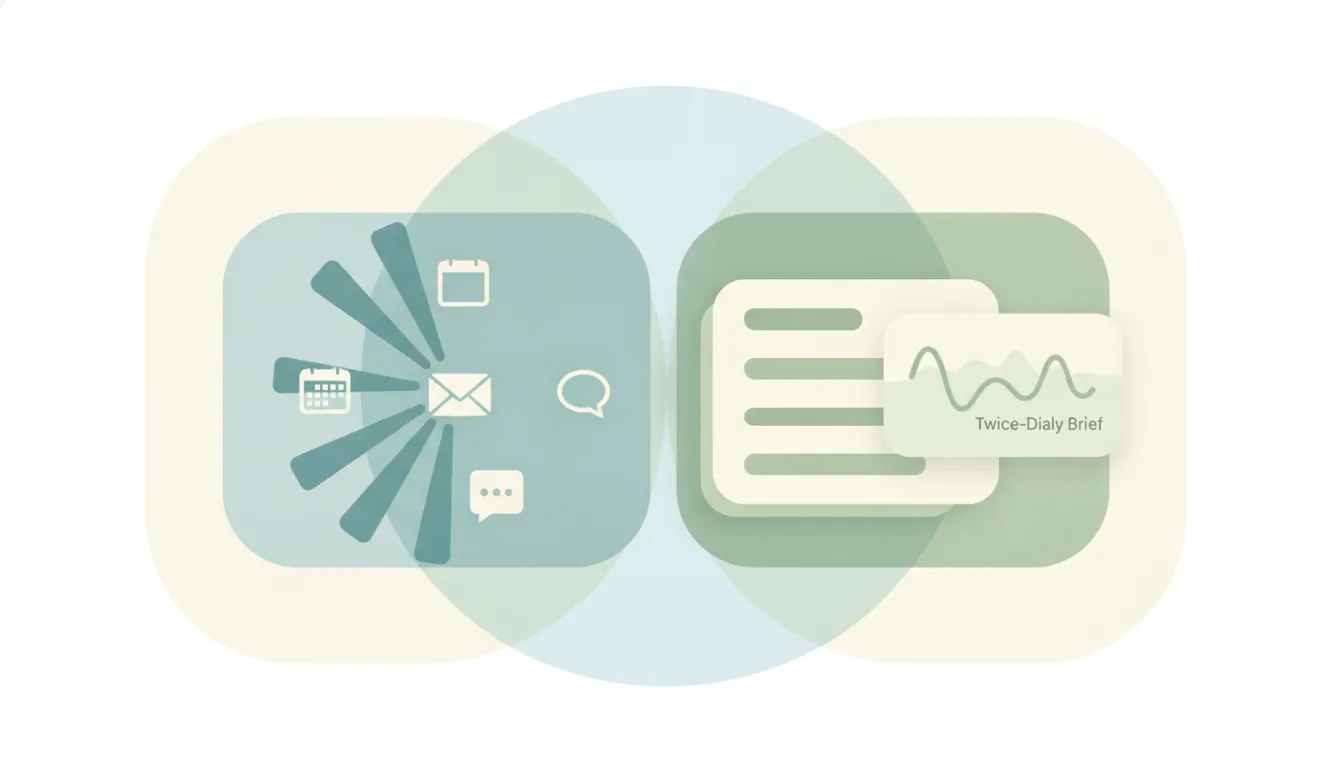
Town is a proactive AI assistant that works across your apps; Cora is a focused AI assistant that tames just your Gmail inbox. Here's which to pick in 2026.

Town learns work across 50+ tools and runs custom routines; Martin is a voice-first calendar and inbox assistant. Compare actions, pricing, and fit.
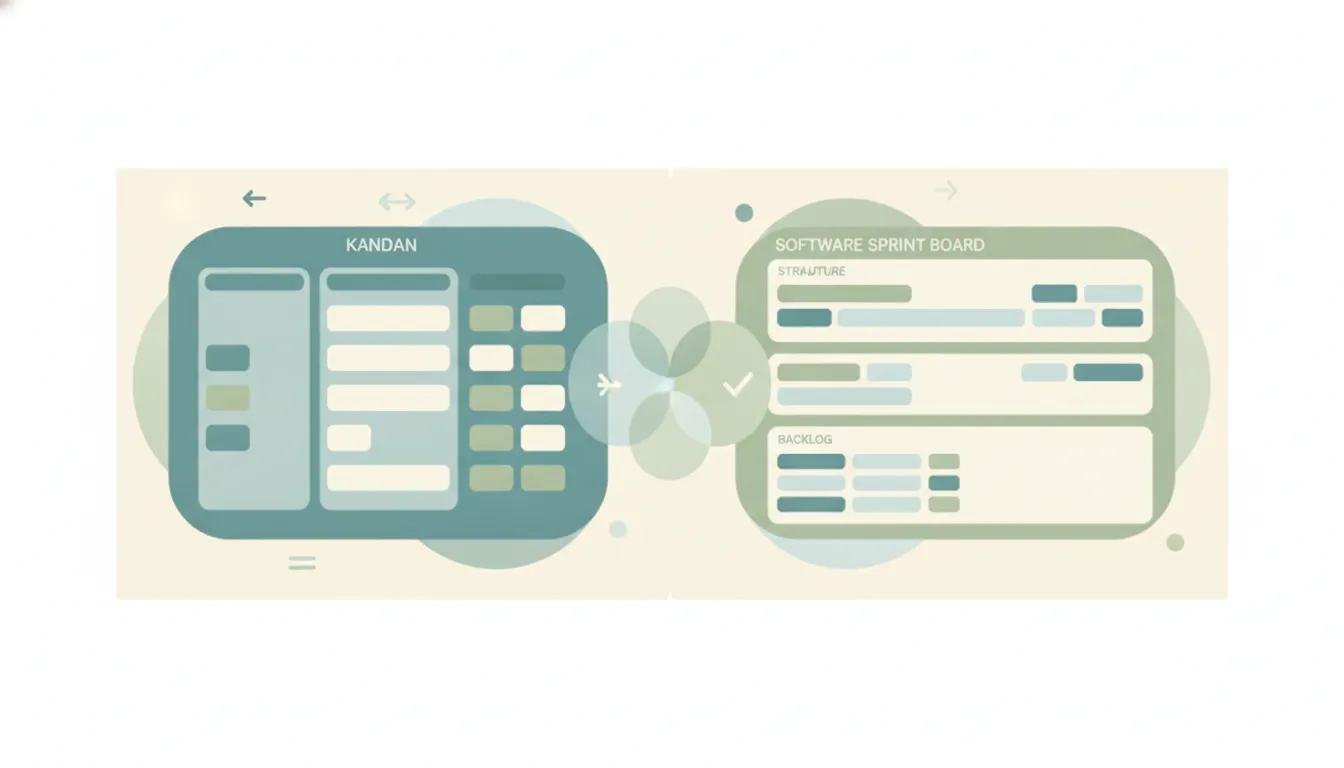
Trello is simple visual Kanban boards for any team; Jira is structured agile issue tracking for software teams. Here's which to pick in 2026.
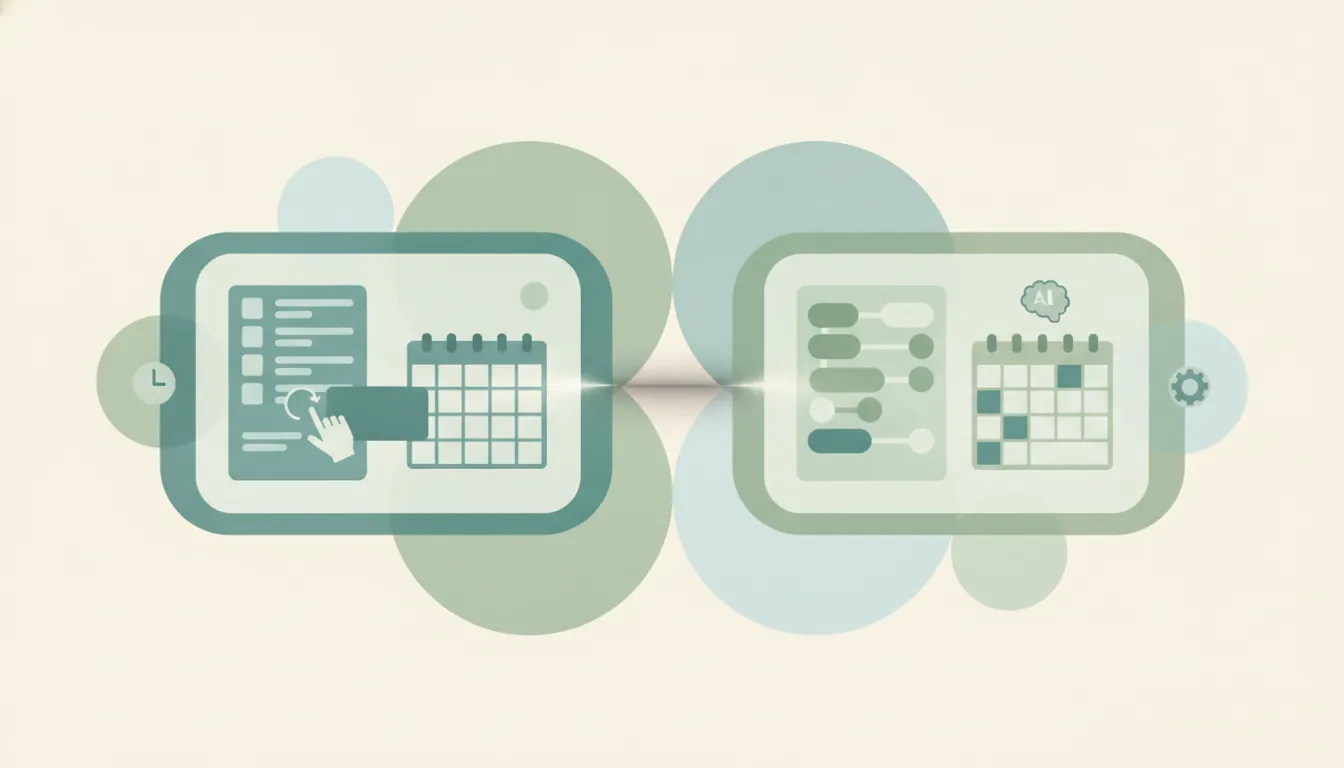
Trevor AI is a cheap, manual drag-to-calendar time-blocker; Motion is a premium AI that auto-schedules tasks and runs projects. Here's which to pick in 2026.
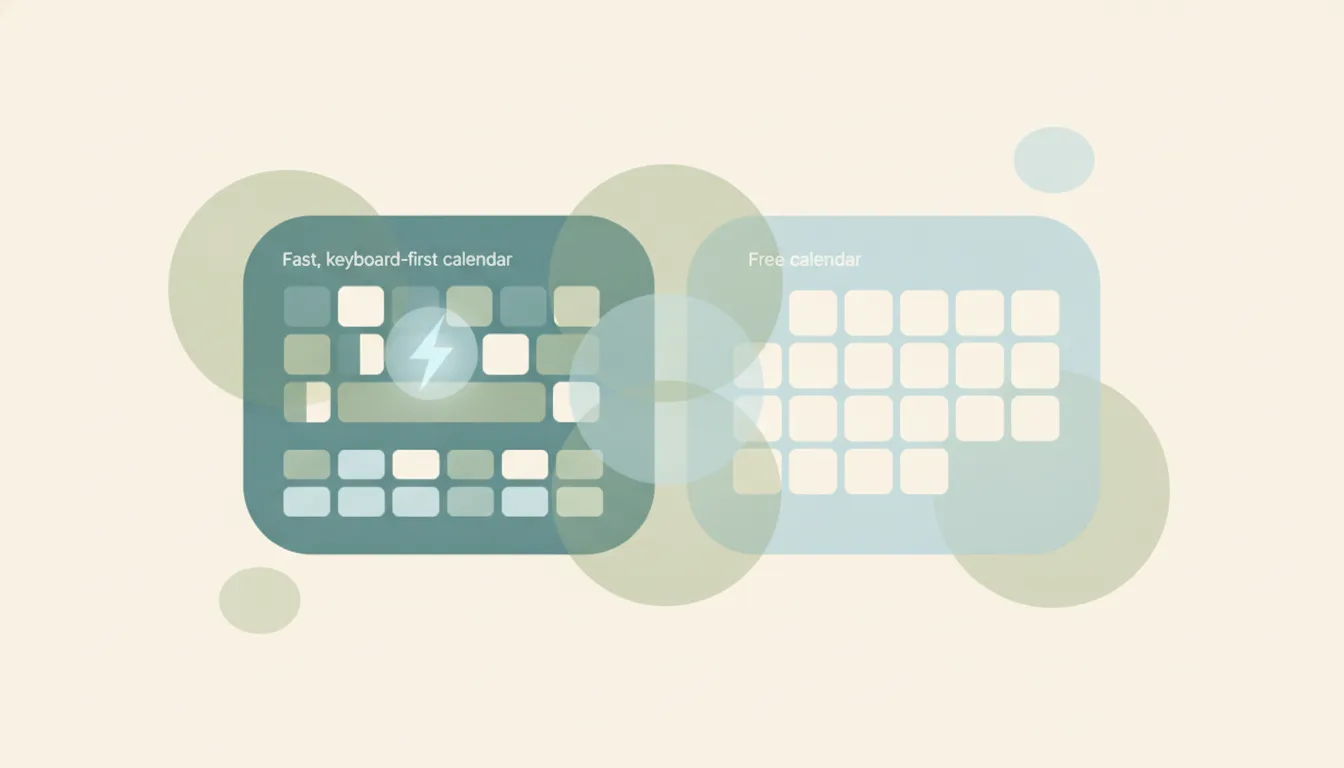
Vimcal is a fast, paid keyboard-first calendar with AI scheduling; Notion Calendar is a free, minimal keyboard-first calendar. Here's which to pick in 2026.
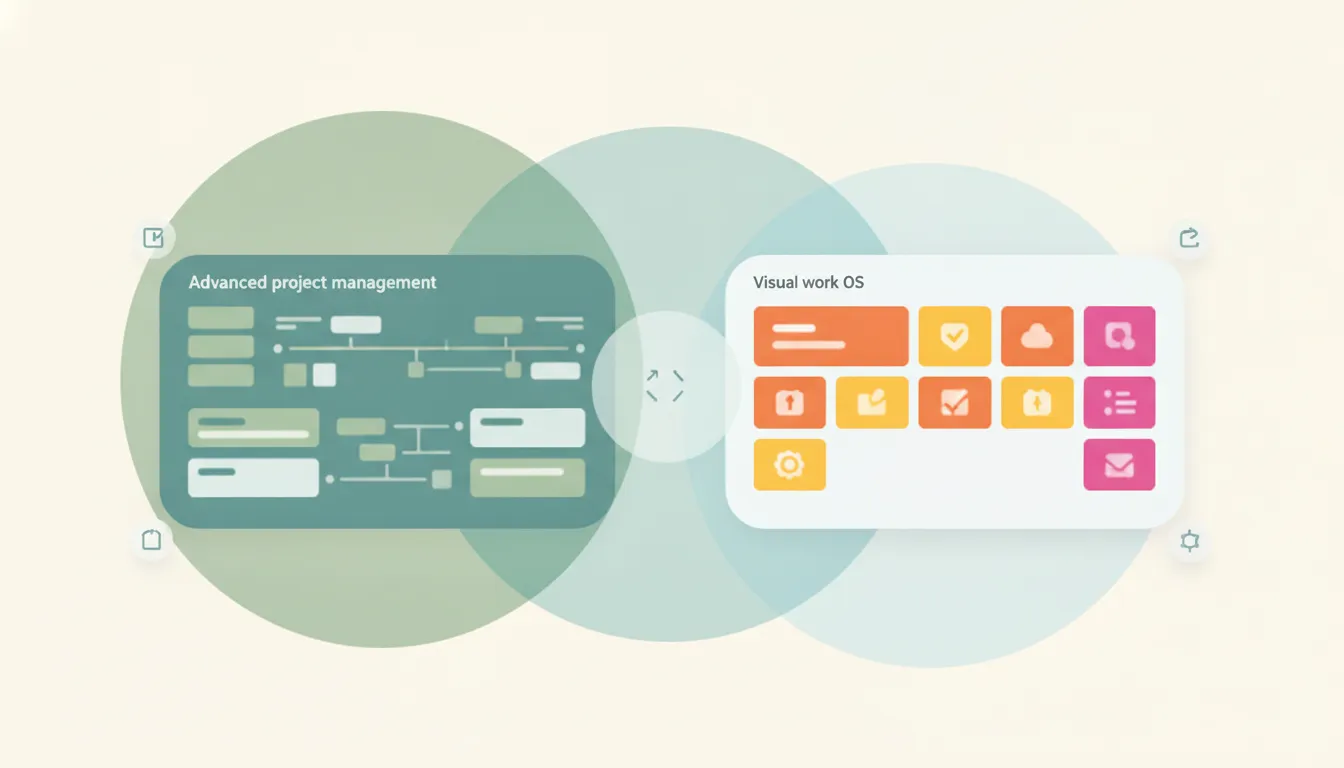
Wrike is structured project management with deep resource planning; monday.com is a flexible, visual Work OS. Here's which to pick in 2026.
Zendesk is structured omnichannel ticketing for scaled support ops; Intercom is messenger-first, AI-first support. Here's which to pick in 2026.
Zero (0.email) is an open-source AI email client you switch to; Inbox Zero (elie222) is an AI agent that automates the inbox you already have. Here's which to pick in 2026.

Akiflow is a manual command center where you drag tasks onto your calendar; Reclaim auto-schedules your day for you. Here's which control style fits you.

Alfred is an inbox-first AI executive assistant; Lindy is a broader one with multi-app workflows and computer use. Both bill on credits. Here's the pick.

Bardeen scrapes and acts inside your browser for sales prospecting; Zapier is the server-side automation hub across 9,000+ apps. How to pick.

Blockit runs autonomous agents that negotiate calendar-to-calendar with no booking links; Skej is a persona assistant you reach by email, Slack or SMS.

Caddy is a newer YC-backed work assistant in free beta; Poke is a launched, multi-channel iMessage agent with published pricing. Which fits your problem?

Claude Cowork is a general work agent bundled with Claude; Lindy is a purpose-built inbox assistant you configure per mailbox. Here's which fits your work.

Claude Cowork is a work agent bundled inside your Claude subscription; Tasklet is a standalone credit-metered cloud agent. Here's which one fits your work.

Copilot lives inside your Office apps and reads your work data; ChatGPT is the broader standalone assistant you go to separately. Here's which problem is yours.

Cora is a quiet, Gmail-only inbox that briefs and drafts for you; Fyxer is a per-seat assistant that sorts, drafts, and takes meeting notes in Gmail or Outlook.
Cora screens your inbox so you check it less; Superhuman is a fast client so you get through it quicker. Opposite philosophies — here's which one fits you.
Espa is a messaging-native AI executive assistant at a flat low price; Lindy is a broader, credit-metered assistant with workflows and computer use. Here's the pick.

FlowSavvy is a cheap solo auto-scheduler that rebuilds your time blocks; Reclaim is a fuller AI calendar with focus time, habits, and team scheduling.

Fyxer works across Gmail and Outlook and bundles meeting notes; Jace is Gmail-centric with a lower entry price and a chat layer. Which fits your inbox.
Fyxer is AI that sorts your inbox and drafts replies on Gmail/Outlook; SaneBox is provider-agnostic filtering that just sorts. Which fits your problem.
Inbox Zero is open-source and self-hostable; Fyxer is a polished hosted app with a built-in notetaker. The real split is data control versus turnkey convenience.

Lifestack schedules your day around your energy levels from a wearable; Motion auto-schedules tasks around deadlines and priorities. Here's which fits you.

Cora is a done-for-you inbox triage tool you don't configure; Lindy is a no-code agent builder for email and many other jobs. Here's which one you actually want.
Lindy runs event-triggered AI agents that act end to end; Gumloop is a no-code visual canvas you build workflows on. How their models, meters, and fit differ.

Lindy is a no-code agent builder for your whole stack; Jace is a Gmail-native inbox assistant. Different jobs — here's which one fits your problem.
Lindy is a no-code AI agent builder you configure; Poke is a proactive text-message assistant that works out of the box. Here's which one fits your problem.

Superhuman is a fast email client that makes you quicker; Lindy is an assistant that works your inbox for you. They solve different problems — here's which is yours.
Lindy is a structured per-inbox AI executive assistant; Town is an ambient chief-of-staff that learns you across email, chat, and desktop. Here's which fits.
MailMaestro is a cheap AI email writer you invoke; Fyxer is a fuller always-on assistant that sorts your inbox and takes meeting notes. Which to pick in 2026.
Manus is a general autonomous agent that runs multi-step tasks in a cloud VM; Genspark bundles an agent with slide, sheet, and phone-call generation. Here's which you need.
Mindy was an email-first AI chief of staff you email tasks to; Alfred (get-alfred.ai) triages your inbox overnight and hands you a Daily Brief. One key status change matters.

Morgen unifies your calendars and tasks and lets you approve the plan; Motion auto-schedules your day around tasks and deadlines. Here's which to pick.

NewMail is a privacy-first assistant for Gmail, Outlook, and Apple Mail with Zero Data Retention; Cora is a done-for-you Gmail brief. Here's which fits you.
Notion Calendar is a fast desktop client that sits on top of Google Calendar. Google Calendar is the actual calendar service. Here's how they fit together.
Notion Mail is a Gmail client that's sunsetting Sept 22, 2026; Superhuman is the fast, keyboard-first client, now under Grammarly. Here's which to pick.
OpenClaw is a free, self-hosted AI agent that runs on your own machine; Gumloop is a hosted no-code visual workflow builder. How their models, costs, and risks differ.
OpenClaw is a free, self-hosted computer-use agent you run and secure yourself; Lindy is a managed, no-code AI executive assistant. Here's which fits you.
Poke is a proactive personal assistant that runs your email, calendar, and logistics by text; Tomo is an accountability coach that keeps you on your goals.
Sauna AI is a multiplayer team agent with shared memory across five front doors; Manus is a solo general agent that runs open-ended tasks in a cloud VM.
Superhuman is a fast email client you switch into; SaneBox is a filter that layers on your existing inbox. They change different things — here's which you need.
Tasklet is a describe-it autonomy-first cloud agent for any task; Lindy is an inbox-centric AI executive assistant. How their scope, metering, and fit differ.

Tasklet is a cloud agent OS you assign discrete jobs to; Town is an ambient chief of staff that learns your context across surfaces. Here's which fits.

Town is an AI chief of staff that executes work across your tools; Tomo is a text-first coach that keeps you on track. Here's which one you actually need.
Trevor AI is a lightweight drag-and-drop time-blocker; Akiflow is a keyboard-driven command center that consolidates tasks from many apps. Here's which fits.

Vimcal is the fastest way to run your calendar by hand; Reclaim is AI that auto-schedules your time. They solve different problems — here's which is yours.

Lindy is an AI executive assistant you talk to; n8n is a node-based workflow platform you build with. Billing, AI capabilities, and who should pick which.
Lindy is an AI executive assistant you brief; Zapier is trigger-action plumbing across 9,000+ apps. How their meters, AI agents, and use cases differ.

x.ai's Amy and Andrew scheduling assistants shut down in 2021. Here's how Calendly compares — and the email-native AI assistant that revived the CC-a-bot model x.ai pioneered.
Fireflies.ai is a meeting bot built around search and analytics; tl;dv is recording-first with a generous free plan, video clips, and strong multilingual notes. Here's which to pick.

Some AI lives in your inbox; some lives in a tab you open. They're good at different jobs. Here's a clear way to decide which to reach for — and why the best setup uses both.
Microsoft Forms vs Google Forms compared: pricing, sharing, branching, quizzes, integrations, and which form builder fits your tools and audience.
The 1,000-block limit is gone for individuals on Notion's free plan. The real caps are 5 MB file uploads, 10 guests, and 7-day page history. Full breakdown.
Trello's free plan caps you at 10 boards per Workspace, 10 collaborators, 250 automation runs/month, and 10 MB per file. Cards and Power-Ups stay unlimited.
Superhuman makes you faster at email; Fyxer handles it for you — one's a client you switch into, the other works in your inbox. Which to pick in 2026.
Lindy is a broad personal AI assistant you text; Fyxer drafts replies and sorts the inbox you already have. Here's which one fits — and when to skip both.

Motion is an AI calendar that plans your day; Lindy is a textable assistant for email and follow-ups. They solve different chaos — here's which you have.

Motion's AI builds your day automatically; Akiflow gathers tasks from every tool so you can time-block them yourself. Which planner fits in 2026.
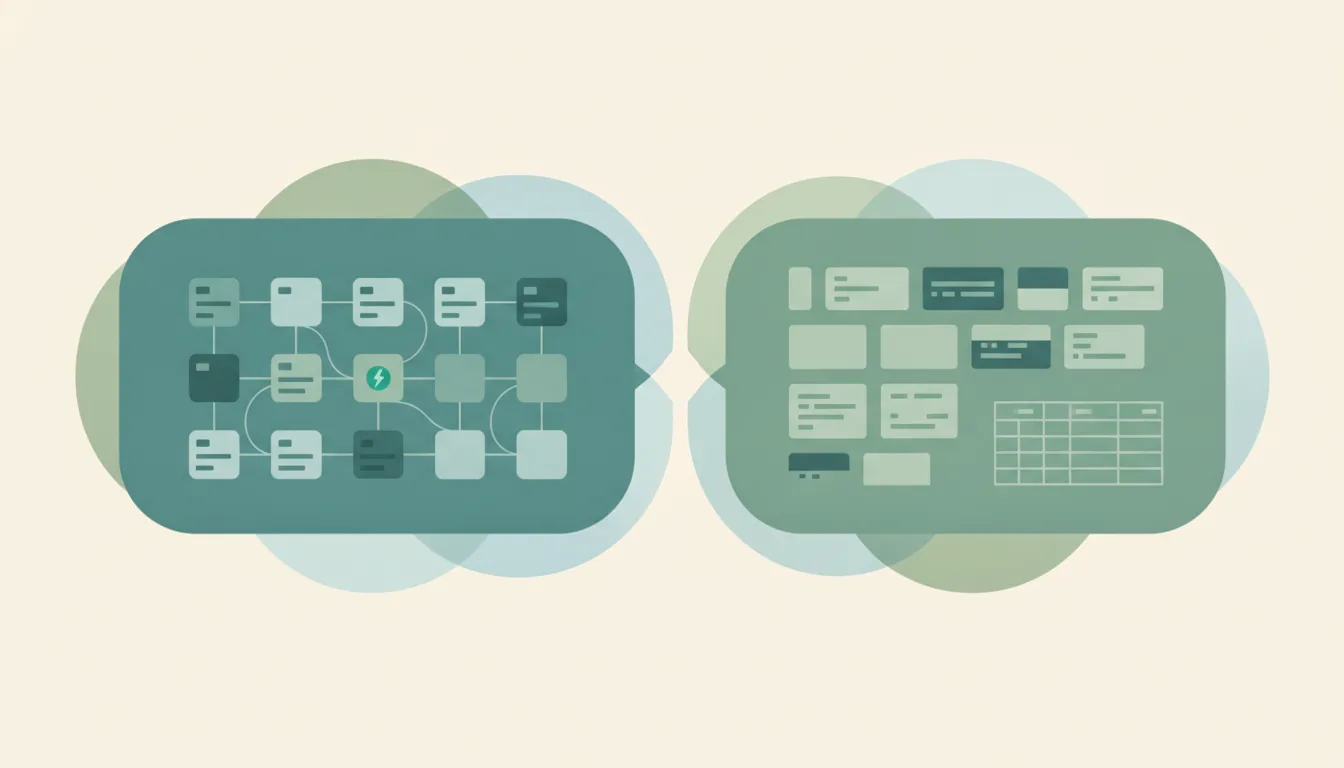
Airtable is a powerful relational database; Notion is a flexible workspace of docs, wikis, and lightweight databases. Here's which to pick in 2026.
Akiflow consolidates tasks from every tool via a fast command bar; Sunsama is a mindful daily planning ritual. Which to pick in 2026.

Apple Calendar is clean, offline-friendly, and tied to iCloud; Google Calendar is cross-platform with strong sharing. Here's which calendar to pick in 2026.
Asana offers task and workflow clarity with strong timelines; monday.com is a colorful, customizable Work OS. Here's which to pick in 2026.
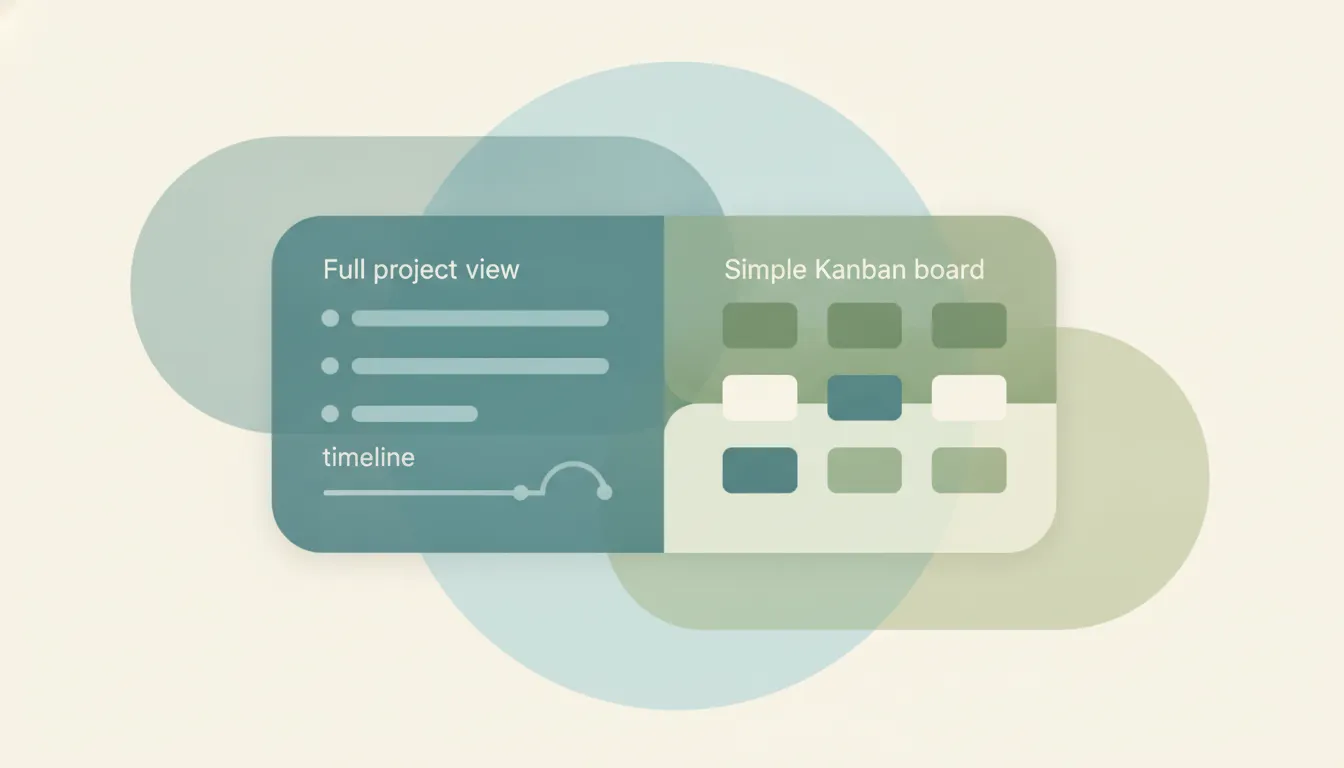
Asana is full project management with timelines and dependencies; Trello is a simple, lightweight Kanban board. Here's which to pick in 2026.
ClickUp is a cheaper everything-app with many views; Asana is clean and mature with polished workflows. Here's which to pick in 2026.
ClickUp is a project-management powerhouse with views and automations; Notion is a flexible docs-and-databases workspace. Here's which to pick in 2026.
Fathom is a free-tier AI notetaker with instant summaries and CRM sync; Otter.ai leads on live transcription and Otter Chat. Here's which to pick in 2026.

Fireflies.ai is a meeting bot with transcription, search, and analytics; Otter.ai leads on live captions and Otter Chat. Here's which to pick in 2026.
Google Keep is free, instant sticky-note capture; Notion is a structured workspace with databases. Here's which note app to pick in 2026.
monday.com is visual and easy to set up; ClickUp is a feature-dense all-in-one. Here's which project management tool to pick in 2026.

Motion auto-plans your day with AI; Sunsama is a calm, manual daily planning ritual built for intention. Here's which daily planner to pick in 2026.
Motion is an AI calendar plus project and task manager; Reclaim auto-defends time for tasks and habits on Google Calendar. Here's which to pick in 2026.
Notion is a structured workspace with databases and wikis; Google Docs is simple, ubiquitous, real-time documents. Here's which to pick in 2026.
Notion is a cloud workspace with databases and collaboration; Obsidian is local-first markdown with a knowledge graph. Here's which to pick in 2026.

Outlook Calendar is built for Microsoft 365 and Teams; Google Calendar is built for Workspace, sharing, and simplicity. Here's which calendar to pick in 2026.
Proton Mail offers end-to-end encryption and Swiss privacy; Gmail offers features, integration, and search. Here's which email service to pick in 2026.

Clockwise shut down on March 27, 2026. Reclaim is the surviving auto-scheduler that blocks your tasks, habits, and routines. Here's what former Clockwise users should do.
Spark is a free-tier, cross-platform smart inbox with team email; Superhuman is a premium, keyboard-first speed client. Which to pick in 2026.
Superhuman is a fast, keyboard-first paid email client; Gmail is free and great at search. Here's which to pick and when speed is worth it.

Things 3 is a calm, pay-once Apple-only task app; Todoist is cross-platform with powerful filters and collaboration. Here's which to pick in 2026.
Todoist is a fast, ready-made task manager; Notion is an all-in-one workspace where tasks live with docs and databases. Here's which to pick in 2026.
Trello is simple Kanban boards and cards; Notion is an all-in-one workspace of docs and databases. Here's which to pick in 2026.

Google Meet runs in the browser and lives inside Google Workspace; Zoom is a standalone app with deeper meeting features. Here's when each one wins in 2026.

Google Tasks is free and baked into Gmail and Calendar; Todoist is a full-featured cross-platform task manager. Here's which one to use in 2026.

Evernote excels at capturing and finding notes; Notion is an all-in-one workspace of blocks, databases, and wikis. Here's which note app to pick in 2026.

OneNote is a freeform digital notebook with handwriting; Notion is a structured workspace of blocks and databases. Here's which note app fits you in 2026.

Outlook organizes with folders and a built-in calendar; Gmail leans on labels, tabs, and search. Here's how they compare and which to pick in 2026.

Slack is best-in-class chat with a huge app directory; Teams bundles chat, meetings, and files with Microsoft 365. Here's how they compare and which to pick.
Teams is a full collaboration suite bundled with Microsoft 365; Zoom is a meeting-first tool with best-in-class video. Here's when to pick each in 2026.

TickTick bundles a calendar, habit tracker, and Pomodoro timer; Todoist stays clean with strong natural-language input. Here's which to-do app to pick.
OneDrive and SharePoint use the same engine but solve different problems. OneDrive is your personal work drive; SharePoint is your team's shared library. Here's when to use each — and how they work together.