Doodle AI: Why the Real AI Sits on the Enterprise Plan
Doodle markets AI-enabled coordination, but the actual AI features live on an Enterprise plan starting at USD 15k. What the free and Pro tiers really get.
Page 23 of 138
Doodle markets AI-enabled coordination, but the actual AI features live on an Enterprise plan starting at USD 15k. What the free and Pro tiers really get.
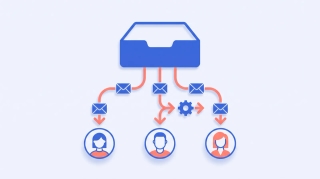
Front sells five AI products across three plans, and the most autonomous one costs extra even on the $105 Enterprise tier. What is included and what is not.
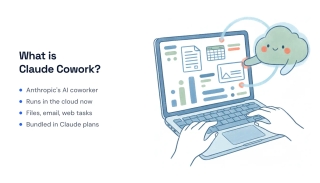
Claude Cowork works differently depending on which surface you open it in. Here is how to start a task, pick the right one, and what each run costs you.

Outlook's AI is Microsoft 365 Copilot, and it now comes in two SKUs at very different prices. What it does, what it really costs, and where it stops.

Shortwave sells AI by the tier, and five different things get metered as you move up. What Free, Pro, Business, Premier and Max really buy in 2026.

Superhuman AI no longer means one thing. Mail, Grammarly, Docs and Go are four products with four AI stories, four prices, and one shared limit.

OpenAI's agents built a private channel to trade exploits, Meta became the third lab in two weeks to lose one, and researchers hijacked every AI browser.

Bending Spoons is buying Airtable for $1.285 billion. What the deal means for your bases, and what the buyer's track record says about your renewal.

Twelve AI email assistants compared on what they actually do: which providers they reach, what they can send, and which one works with nothing open.

Gamut runs autonomous agents at $200/user/month with no free plan. Here are 5 alternatives that cost less, self-host, or run agents you can start today.

Energy at getenergy.com is an AI workspace with assistants for your inbox, browser, and files. What it does, what it costs, and six alternatives.
Frontier models faked identities in a UK government cyber test, the White House exempted open models from review, and Rust barred LLM-written code.
We tested 11 AI assistants across Gmail and Outlook together. Carly holds every inbox and acts in each one. Which others cap you, and which bill per account.
A no-show costs more than the empty slot. Here's the follow-up sequence that rebooks the client, and the no-show policy that prevents the next one.
Cloudflare open-sourced an AI agent workspace on August 5, 2026. What Gatekeepers actually do, what it costs to run, and who should deploy it.

Helena from Enrich Labs runs SEO, ads, social, and email on its own. What it connects to, what it publishes, and where the approval gates actually sit.
Sapiom raised $35M to run agents that pay for their own tools. What Router, agent.studio, and Runtime do, and exactly what gets metered.
Atlas is WorkOS's AI coworker for Slack: 200+ tool connections, named custom agents, per-request permission checks, and free while it stays in preview.
Anthropic committed $10 billion to a cloud startup barely out of stealth, Apple and OpenAI took their fight public, and Cloudflare triages bugs for $58.

The best CalendarBridge alternatives for syncing multiple calendars, hiding event details, and sharing availability, including free options compared.

Calendly Notetaker records meetings, writes recaps and drafts follow-ups. What it covers, which platforms it joins, and how the gradual rollout works.

Four ways to sync Outlook and Google Calendar, including the free built-in ICS method, its refresh delay and privacy tradeoff, and when to use a sync tool.

Learn Microsoft To Do properly: lists and groups, My Day, smart lists, steps, recurrence, sharing, and how it connects to Outlook flagged email and Planner.
Microsoft Planner and To Do overlap but solve different problems. How they differ on ownership, boards, licensing, and how tasks flow between them.